
Reviewed · ZURICH TOURS
The Dark Side of Zurich: Self-Guided Audio City Tour
Zurich’s polished streets hide a grim past. This self-guided walk leads you from Paradeplatz to old execution sites, torture locations, a former pillory, and the homes of people tied to medieval justice. Along the way, you hear about witch trials, beheadings, drownings, hangings, and burnings.
I like the true personal stories, especially the account of a woman tortured 15 times over 26 days. I also like the freedom to stop at Fraumünster, study the stained glass, or pause for a drink without waiting for a group. The catch is that this is not a live tour, so you need a charged phone, internet access, and headphones to make it work.
Key points to know before you go
- A grim route through central Zurich: Visit places linked to medieval executions, witch trials, torture, and public punishment.
- Start at Paradeplatz: The route begins in a central location and continues on foot through the old city.
- Hear real stories: Learn about Hans Waldmann, accused witches, a revenge-seeking judge, and people executed for their faith.
- Use your own phone: The audio guide arrives by link after booking and includes photos and detailed directions.
- Plan for 1.5 to 2 hours: The tour is valid for 365 days, but the walk itself is a short city outing.
- Best for adults and older teens: The experience is not suitable for children under 16 or wheelchair users.
Zurich’s pleasant center with a very dark past
The appeal of this walk is the contrast. Zurich today is tidy, wealthy, and easy to explore, yet the route points to a time when public justice could mean torture, drowning, beheading, hanging, or burning.
You begin at Paradeplatz, one of the city’s best-known central squares. From there, the audio guide directs you through the city with spoken explanations, photographs, and detailed route instructions. You are not simply handed a list of addresses. The guide tells you what happened at each place and why it mattered.
The dark subject is handled through specific people and events rather than vague tales of ghosts. You hear about those accused of witchcraft, the officials who helped prosecute them, and the places where sentences were announced or carried out. That focus gives the walk more weight than a simple scary-stories tour.
At $13 per person, the price is modest for a 1.5 to 2-hour activity in central Zurich. You are paying for the audio content and route rather than a live guide, so the value depends on how much you enjoy exploring at your own speed.
More Self-Guided Trails in Zurich
- Zurich: City Bus Tour with Audio Guide and Lake Cruise
★ 4.3 · 1,195 reviews - Zurich City Tour with Audio Commentary
★ 4.0 · 372 reviews - Zurich: City Top Attractions Tour by Bus with Audio Guide
★ 4.3 · 282 reviews
Starting at Paradeplatz with your phone ready
Your first job is practical: arrive at Paradeplatz with a charged smartphone, internet access, and headphones. The link for the tour is provided after booking, and there is no guide waiting at the meeting point.
That setup gives you flexibility. You can choose your starting time within the 365-day validity period, subject to availability, and you do not need to fit into a fixed group schedule. If you are already sightseeing in central Zurich, you can place the walk wherever it fits your day.
The same freedom also creates the main drawback. If your phone battery is low, your connection fails, or your headphones are missing, the experience becomes difficult. Download or open the link before setting off if possible, and check that your audio works while you are still at Paradeplatz.
The guide is available in English or Russian. It uses a professional voice recording, which should make it easier to follow than a rough homemade narration. Photos and written directions support the audio, an important help when you are standing in an ordinary street and trying to work out which building or square matters.
Executioners, salaries, and the machinery of punishment
Early in the route, you learn where Zurich’s executioners lived and what they were paid. This is one of the more useful details because it moves the subject away from a list of gruesome acts and toward the people who made the system function.
The executioner was not simply a shadowy figure who appeared when needed. The tour points you toward the practical side of the job, including the salary attached to it. You get a clearer sense of how the city organized punishment and how an unpopular occupation fit into medieval society.
The route also takes you to places where death sentences were announced and carried out. That connection between public space and public punishment matters. A square or street that now looks ordinary once served as a warning to everyone passing by.
You should expect a walking tour through city streets, not preserved prison rooms or a staged historical attraction. The locations are part of modern Zurich, and the audio is what supplies the context. Keep your eyes open for the exact sites while listening, since the present-day setting may not look dramatic on its own.
Witch trials and the story of repeated torture
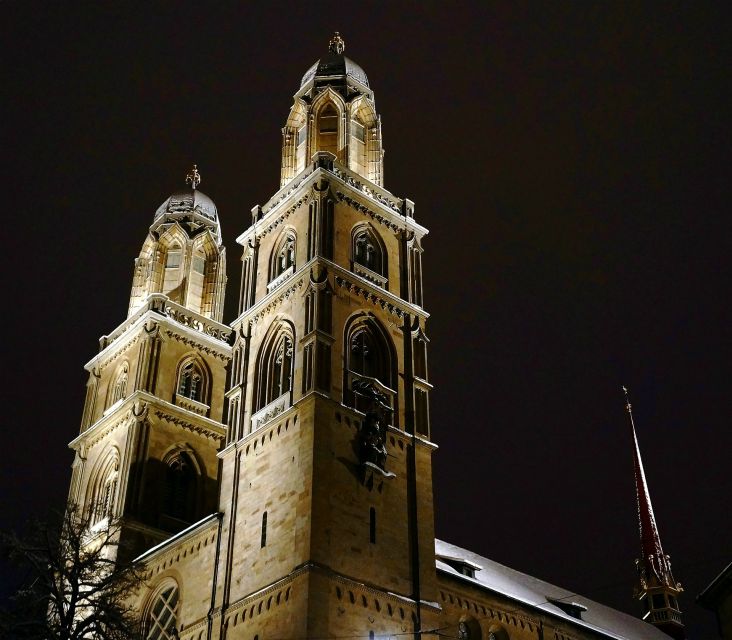
The witchcraft section is likely to be the most disturbing part of the walk. You visit the place where people accused of witchcraft were tortured and hear about a woman who endured torture 15 times during 26 days.
That detail is hard to forget because it shows the process as repeated physical suffering, not a single interrogation. The story also helps explain how accusations could become deadly once authorities treated suspicion as proof.
You then learn about a wealthy Zurich woman who was executed for witchcraft. Her social position makes the story especially striking. Wealth did not always protect an accused person from a system built around fear, suspicion, and prosecution.
Another stop covers a house where guidance on recognizing and torturing a witch was available. This shows that witch-hunting was supported by ideas and instructions, not only by sudden panic. The route gives you a chance to consider how official knowledge can be used to justify cruelty.
The subject is not suitable for every family. The experience is specifically not recommended for children under 16, and the accounts of torture and execution are central to the walk rather than minor side notes.
A few more Zurich day trips to weigh up
- Zurich: Audio Guided City Tour and Train to “Top of Zurich”
★ 4.2 · 41 reviews - Einstein in Zurich: Walk in Time Exploration Game and Tour
★ 4.0 · 25 reviews - Zurich in the Mirror of the Past: Self-Guided Audio Tour
★ 3.8 · 15 reviews - Self-Guided Audio City Tour in Zurich
★ 4.0 · 15 reviews
Fraumünster and the Chagall windows
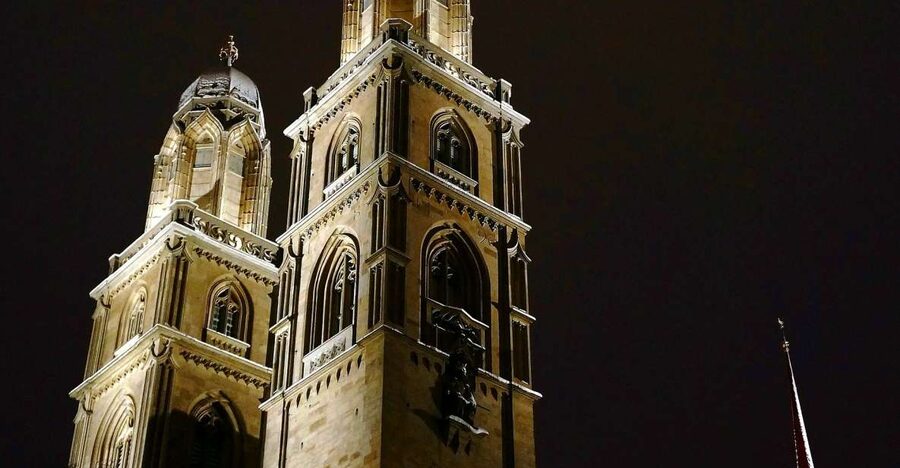
The route includes Fraumünster, one of Zurich’s most important churches. Entrance fees are not included, so you should treat going inside as an optional extra rather than part of the paid tour.
The audio guide draws attention to the church’s stained glass windows by Marc Chagall, including imagery of the crucifixion of Jesus Christ. This gives the route a change of pace. After hearing about courtrooms, torture, and execution grounds, you encounter a major work of religious art in a living church.
You can listen outside if you do not wish to pay an entrance fee. If you choose to enter, allow extra time and budget for the admission cost, since it is separate from the $13 tour price. The provided information does not give the entrance fee, so check it locally before you go.
This stop also shows why the walk is more than a grim collection of punishment sites. Zurich’s religious buildings are tied to both the city’s spiritual life and its long political story.
Hans Waldmann at the Water Church
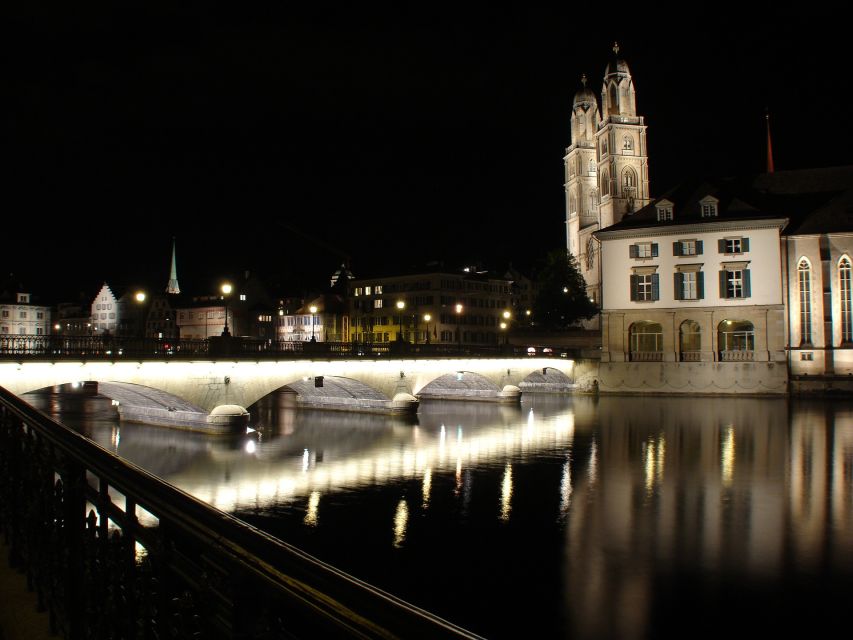
The route next brings you to a monument to Hans Waldmann, who was executed in 1489. You hear about his life and death in Zurich, giving the tour another individual story to balance the broader account of medieval prosecutions.
The monument is connected to a real person with a name, a public career, and a known date of execution. That kind of detail helps you keep the walk grounded. Instead of hearing only that powerful people were punished, you learn about one figure whose fate became part of Zurich’s story.
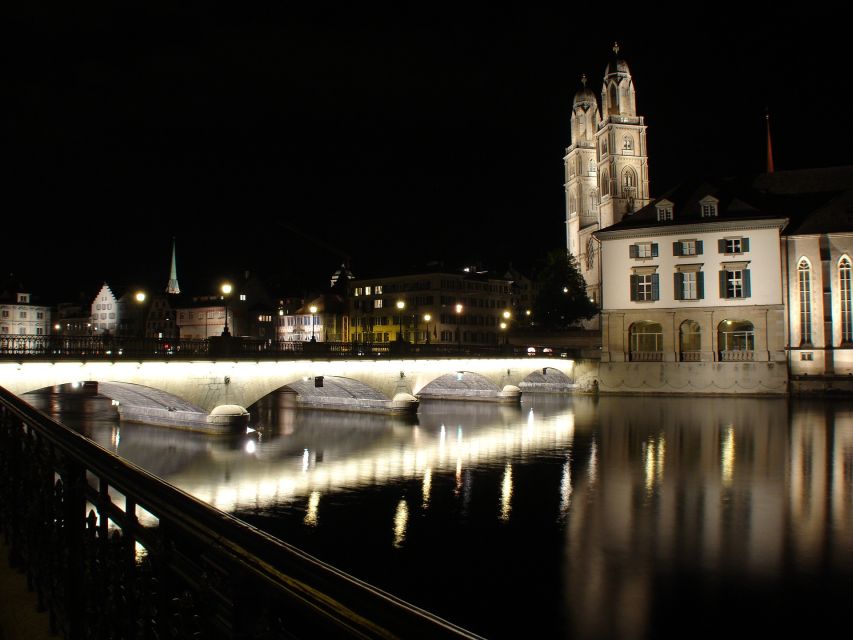
At the Water Church, the audio guide tells the story of a brother and sister beheaded for their faith. The stop adds a religious dimension to the tour and reminds you that punishment was not limited to witchcraft accusations or criminal charges.
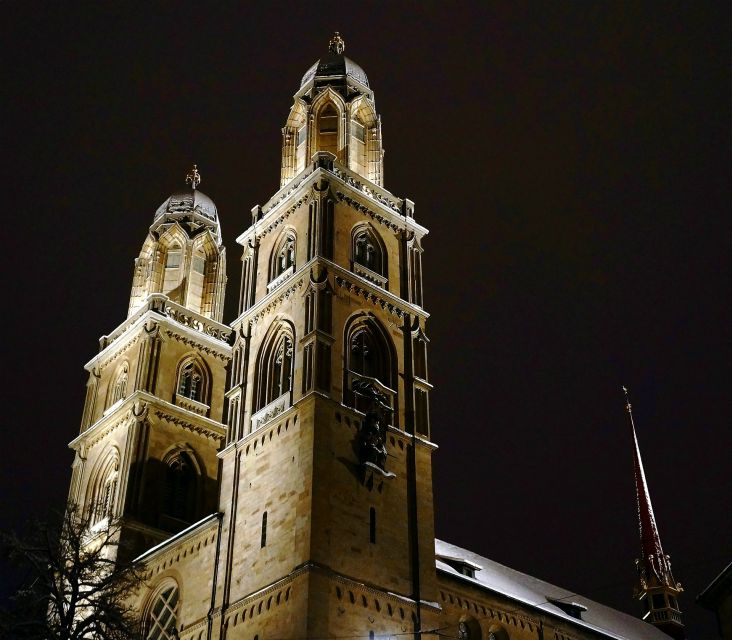
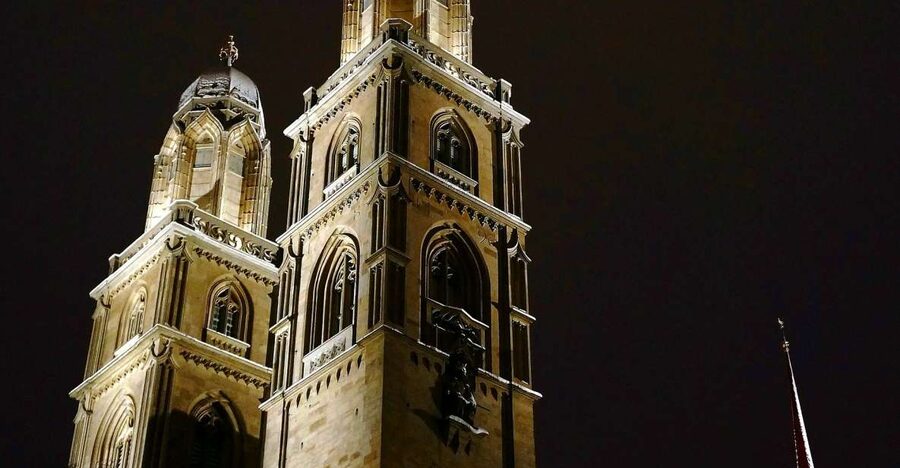
You also see the Grossmünster, one of Zurich’s most famous landmarks. Its presence gives you a useful visual anchor as you move through the old city. The tour does not treat every famous building as a sightseeing stop, but the churches help connect the darker events to the city you are seeing today.
The pillory, the judge, and medieval prosecutions

A former pillory appears later in the route. The pillory was a public symbol of humiliation and punishment, and its location helps you picture how justice could be performed in front of a crowd.
This is an important contrast with modern legal systems. Punishment was not always hidden behind prison walls. It could be placed in the middle of city life, where residents saw the condemned person and understood the power of the authorities.
You then continue to the house of a judge who worked during the height of the witch-hunt. The guide tells the story of his revenge and links it to medieval prosecutions. That personal motive makes the legal system feel less distant. It suggests how private anger and public authority could work together.
The walk is strongest when it connects institutions with individuals. You hear about judges, executioners, accused women, religious believers, and the people who faced final sentences. These stories help you understand that persecution was carried out by ordinary people making decisions within a harsh system.
Squares where sentences were announced
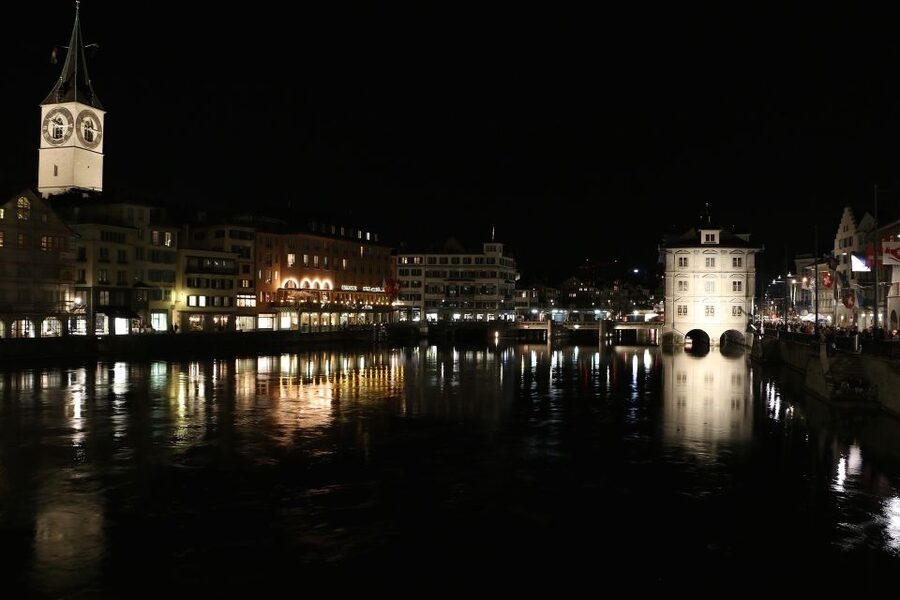
One of the route’s recurring themes is the public announcement of death sentences. You visit the square where those announcements took place, then continue to a memorial plate marking a site where people were executed by drowning.
A memorial plate can be easy to miss without explanation. The audio guide gives it meaning by telling you what happened there and why the location matters. You should pause, look around, and compare the quiet modern setting with the events attached to it.
The drowning site is particularly useful for understanding that executions did not always happen in one central place or by one method. The tour presents several forms of punishment, including beheading, torture, drowning, hanging, and burning.
Because the experience is self-guided, you control the pace at these stops. You can listen once and move on, or replay a section and take a closer look at the memorial. That is a real advantage over a tightly timed group walk, especially when the subject needs a moment to absorb.
The baker’s last glass of wine

The route also leads to the house where the baker who gave people their last glass of wine lived. It is a small human detail, but it adds another layer to the final journey of condemned people.
The baker’s role reminds you that executions involved more than judges and executioners. Other townspeople could be drawn into the process through food, drink, transport, announcements, or preparation. The final glass of wine becomes a detail that makes the last hours of a condemned person easier to picture.
You then discover where people leaving for execution exited the city. The guide explains where they were burned and hanged, bringing the route to its bleakest point.
Do not expect a dramatic ruin at the end. The value comes from standing in the modern city while understanding what the place once represented. The audio turns streets and buildings into evidence of how Zurich dealt with crime, religious difference, and fear.
How the self-guided format affects the experience
This walk suits you if you like to set your own pace and listen without a group around you. There is no live guide, no need to keep up with strangers, and no fixed storytelling rhythm beyond the recording.
You can stop for photos, take a short break, or revisit a section if a name or event goes by too quickly. You can also fit the tour around other plans because the booking remains valid for 365 days, subject to checking available start times.
The tradeoff is interaction. You cannot ask the audio guide to explain a confusing detail or point out something you missed. If you prefer questions, discussion, and spontaneous local advice, a live walking tour may suit you better.
The directions and photos help reduce the risk of getting lost, but you still need to pay attention. Keep the map or route information ready, and do not assume every stop will be obvious from the street.
Who should book this Zurich audio walk?
I would recommend it most to adults and older teenagers interested in criminal justice, witch trials, religious conflict, or the less polished side of European history. It also works well for independent visitors who already have a phone and headphones and do not need a guide beside them.
The tour is a good choice if you have two hours and want an activity that goes beyond Zurich’s famous churches and lake views. It gives you a different way to read the city, with specific addresses and personal stories instead of a general historical overview.
It is less suitable if you want a cheerful sightseeing outing, a museum-style presentation, or an accessible route for a wheelchair. The activity is not suitable for wheelchair users, and the subject matter can be upsetting.
At $13, the cost is fair for a professionally recorded route with photos and directions. The value is strongest when you use the flexibility: take your time, pause at Fraumünster if you wish, and listen closely at the memorials and former punishment sites.
What to bring and how to plan
Bring these three essentials:
- Headphones
- A charged smartphone
- Internet access
Start at Paradeplatz, and allow 1.5 to 2 hours for the complete walk. The tour is available in English or Russian, so select the language that lets you follow detailed stories most easily.
Fraumünster entrance is not included. You can decide on the day if you want to go inside, but do not confuse the church visit with the audio tour itself.
Free cancellation is available up to 24 hours in advance, and you can reserve now and pay later. Those terms are useful if your Zurich plans are still shifting, though the main practical issue remains your phone setup.
Should you book The Dark Side of Zurich?
Book it if you want a low-cost, flexible walk built around real cases, medieval punishment, and places that are easy to overlook without context. The stories of the tortured woman, Hans Waldmann, the beheaded siblings, and the revenge-seeking judge give the route a strong human focus.
Skip it if you need a live guide, dislike disturbing subjects, or require wheelchair access. For everyone else, $13 buys a thoughtful way to see central Zurich from a side most sightseeing routes leave out. Bring headphones, charge your phone, and give yourself time to listen rather than rushing from stop to stop.
FAQ
Where does The Dark Side of Zurich tour begin?
The tour begins at Paradeplatz in Zurich.
Is there a live guide on the tour?
No. This is a self-guided audio tour, and no live guide is present.
How long does the walking tour take?
The walk takes approximately 1.5 to 2 hours.
How long is the booking valid?
The activity is valid for 365 days. You should check availability for starting times.
What languages are available?
The audio guide is available in English or Russian.
What equipment do I need?
You need your own charged smartphone, internet access, and headphones.
Is entry to Fraumünster included?
No. Entrance fees to Fraumünster are not included in the tour price.
Is the tour suitable for children?
No. The activity is not suitable for children under 16.
Can I cancel for a refund?
Yes. You can cancel up to 24 hours in advance for a full refund.
More Audio Tours in Zurich
- Self-Guided Audio Tour to the Dark Side of Zurich
★ 4.5 · 14 reviews - Historical Zürich: A Self-Guided Audio Tour Through the city of 1,000 Fountains
★ 5.0 · 11 reviews - Basel: Sightseeing Bus Tour with Audio Guide
★ 4.2 · 205 reviews - The Many Faces of Geneva: Self-Guided Audio City Tour
★ 3.9 · 44 reviews
Just added around Zurich
- 2 Hour Floating Harmony Couples Course★ 5.0 · 3 reviews
- From Zurich: 7-Day Tour to Geneva with Tickets and Lodging★ 5.0 · 3 reviews
- Lake Zurich boat tour for an afternoon !★ 5.0 · 3 reviews
- Zurich: Private tour to Interlaken, Grindelwald & Jungfrau★ 5.0 · 3 reviews
- Lake Zurich mini boat tour / by night!★ 5.0 · 3 reviews
- Zurich Premium Fitness Pass★ 3.0 · 3 reviews
- Wakeboarding Lake Zurich – afternoon !★ 5.0 · 3 reviews
- Central Switzerland (Private Tour)★ 5.0 · 3 reviews
Zurich Tours, compared.


Zurich: Day Trip to Grindelwald, Interlaken & Lauterbrunnen
Read our review →
Zurich: City Tour, Cruise, and Lindt Home of Chocolate Visit
Read our review →
From Zurich: Bus Day Trip to Heidiland and Liechtenstein
Read our review →
Zurich: City Highlights Tour by Bus, Cable Car, and Ferry
Read our review →
Mount Titlis and Lucerne Day Trip from Zurich
Read our review →

Heidiland and Liechtenstein Tour from Zurich
Read our review →Browse the lists this tour appears in