
Reviewed · INTERLAKEN TOURS
Jungfrau Travel Pass 3-8 days
The Jungfrau Travel Pass turns the Bernese Oberland into a hop-on, hop-off playground of mountain railways, gondolas, buses, and boats. You can start with a lake cruise, ride toward Grindelwald, hike beneath the Eiger, then finish the day high above the valley without buying a new ticket at every station. That freedom is the main attraction.
I like two things especially: the pass saves time when you make several trips in one day, and it lets you change plans around the weather. The biggest catch is that not every mountain line is included, most notably the final connection to Jungfraujoch, Top of Europe.
Key points before you buy
- Choose from 3 to 8 consecutive days: The pass is built for a concentrated stay in the Jungfrau region.
- Use several types of transport: Included routes may involve trains, buses, gondolas, and boats, depending on the pass length and line.
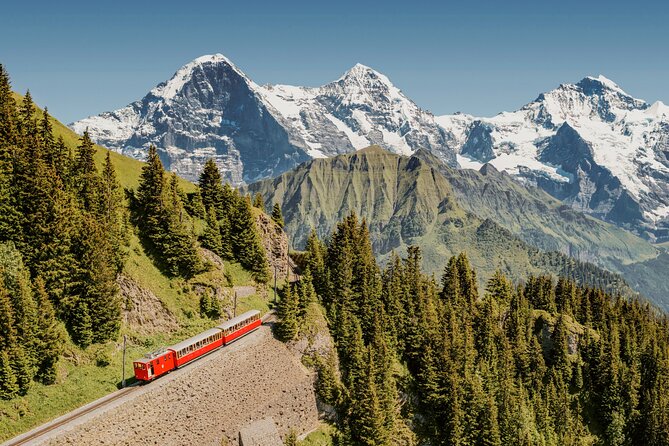
- Ride to major viewpoints: First, Schynige Platte, Harder Kulm, Kleine Scheidegg, and Männlichen are among the key places connected to the pass.
- Plan for exclusions: Jungfraujoch requires a separate connection ticket from Eigergletscher, though pass holders can buy it locally at a reduced price.
- Boat coverage depends on duration: Lake boat rides are not included with the 3- or 4-day versions, but are included with passes of 5 days or more.
- Weather can affect the value: A fixed consecutive-day pass works best when you have several useful outings planned close together.
What the Jungfrau Travel Pass actually gives you
This is not a guided tour with a fixed route or a guide waiting at each stop. It is a regional transport pass that lets you build your own days around Interlaken, Grindelwald, Lauterbrunnen, Kleine Scheidegg, Harder Kulm, and nearby mountain stations.
That matters in the Alps. A clear morning may call for a high mountain ride, while a cloudy afternoon may be better spent in a valley village or on a boat. With the pass in hand, you can alter your plan without stopping at a ticket machine each time.
The pass is offered for 3, 4, 5, 6, 7, or 8 days. The days are consecutive, so this is not a flexible coupon book that you can pause during bad weather. If you buy a 3-day pass and lose two days to rain or snow, you cannot simply place the pass on hold and restart it later.
You receive a mobile ticket, but there is an important practical wrinkle. A digital voucher may not always be accepted as the final rail pass. One reported problem involved a conductor asking for the official pass after the traveler had been told a phone version was enough. To avoid an awkward discussion on board, check the current exchange instructions and be prepared to print or redeem the voucher at a railway office in the Jungfrau region.
A few more Interlaken day trips to weigh up
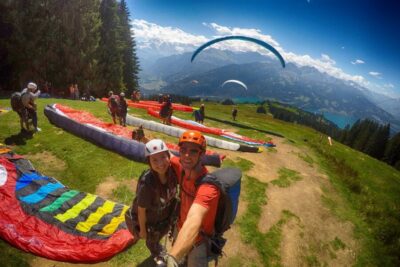
- Interlaken: Tandem Paragliding Flight with Pilot
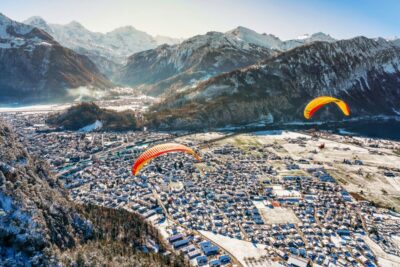
★ 4.9 · 2,117 reviews - Tandem Paragliding Experience from Interlaken
★ 5.0 · 1,655 reviews - From Interlaken: Guided Tour to Jungfraujoch – Top of Europe
★ 4.7 · 1,649 reviews
Riding from Interlaken into the mountains
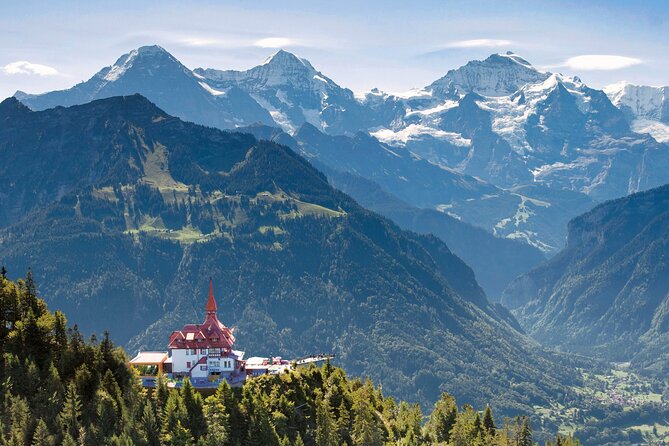
Interlaken is the natural base for this pass. From here, the rail network reaches the valleys and mountain routes around Grindelwald and Lauterbrunnen, while Harder Kulm rises above town and boats serve the nearby lakes when your pass length includes them.
The real value appears when you make several connections in one day. You might travel from Interlaken to a trailhead, continue by mountain railway, return by gondola, and still use local transport to get back to your hotel. Buying each segment separately would be a nuisance, and in Switzerland, repeated individual fares can add up quickly.
I would not buy the pass simply because you are staying in the region. If your plan includes one mountain outing and plenty of walking around town, ordinary tickets may cost less. The pass rewards movement. It becomes much easier to justify when you expect to use trains and lifts on most days.
The area is also better suited to independent visitors than to anyone wanting a narrated sightseeing program. There is no guide, hotel pickup, food, or drink included. You decide where to go, how long to stay, and when to turn back.
Jungfrau and the important Top of Europe limit
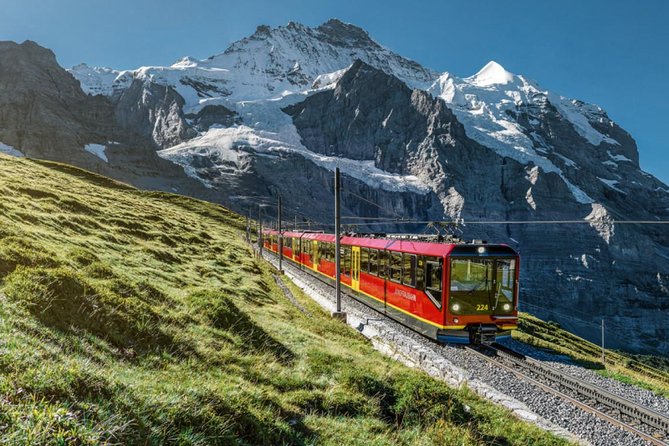
The Jungfrau area is the headline attraction, but you need to understand the boundary of the pass. The final connection from Eigergletscher station to Jungfraujoch, Top of Europe, is not included. You can buy that separate ticket locally at a reduced price as a Jungfrau Travel Pass holder.
This distinction is easy to miss because the pass covers much of the route toward the high station. If your dream is to reach the Top of Europe, budget for that final connection rather than assuming the pass covers the entire journey.
The pass still has value for the surrounding railway network and mountain access. It can carry you through the area around Kleine Scheidegg and toward the dramatic peaks of the Eiger, Mönch, and Jungfrau. The attraction here is not only the final summit station. The rail journey itself, the high passes, and the walking routes beneath the peaks are a major part of the experience.
Allow about an hour for the Jungfrau stop in the suggested outline, though your own timing may vary. Clear weather is important for high viewpoints. In heavy rain or snow, the view can shrink to white, and a costly mountain ride may not feel worthwhile.
Schynige Platte for open mountain views
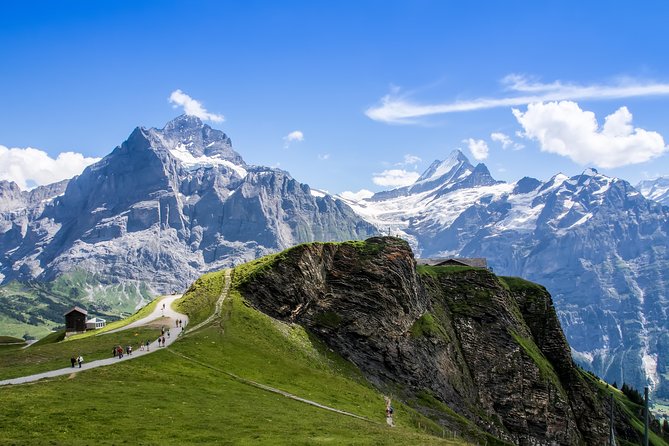
Schynige Platte is one of the named highlights of the pass and a good reason to spend more than a single day in the region. The mountain railway leads you to a high viewpoint with broad views over the Bernese Oberland and the peaks beyond.
The suggested stop allows about an hour, but the pass gives you the freedom to stay longer if you want to walk. Schynige Platte works well as a day built around scenery and trails rather than transport alone.
I like this stop for people who want a slower mountain experience. You are not merely racing up, taking one photograph, and racing down. You can connect the ride with a hike and make the railway part of a wider day outdoors.
The drawback is the same one that affects every high station here: operating schedules and views depend on the season and weather. Some mountain railways close in winter, and certain routes may not reopen until late May. Check the operating calendar before selecting your pass dates.
Same mountains, a completely different day out:
- Interlaken: Funicular Ticket to Harder Kulm
★ 4.7 · 1,469 reviews - Paragliding Tandem Flight in Interlaken
★ 4.9 · 728 reviews - Interlaken: Tandem Paragliding Flight
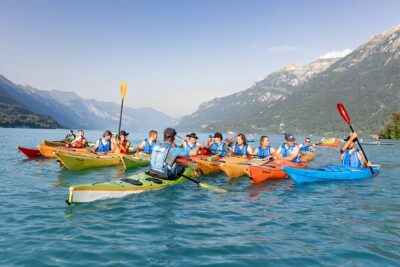
★ 4.9 · 616 reviews - Kayak Tour of the Turquoise Lake Brienz
★ 5.0 · 566 reviews
First and the Grindelwald side
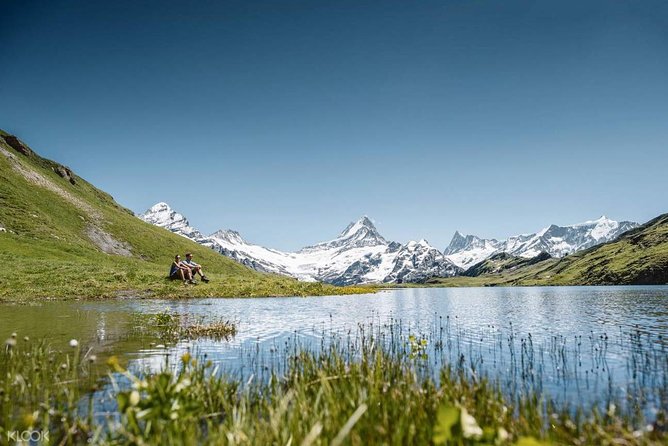
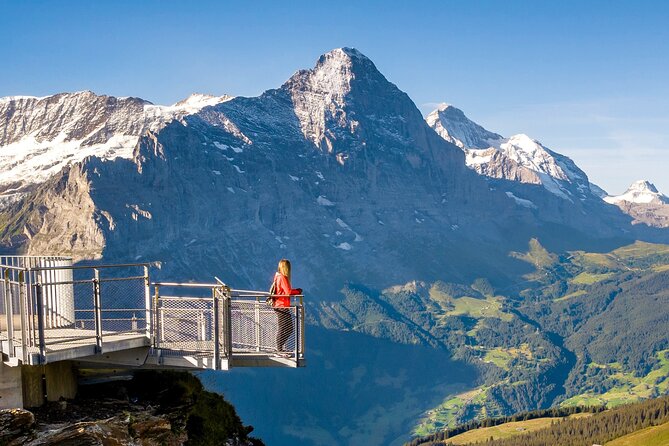
Mount First, reached by the Firstbahn, gives the pass a strong appeal for hikers. The ride from Grindelwald places you close to mountain paths beneath the Eiger and the surrounding peaks. The suggested time at First is about two hours, but you can shape the visit around a short walk or a longer hiking day.
The pass is especially useful here because a single excursion may involve more than one paid ride. You can reach Grindelwald by train, continue by gondola, spend time on the mountain, then return without sorting out separate fares at every stage.
This is one of the places where I would build in extra time. A two-hour visit is enough for a quick look, but it may feel rushed if you want to walk, pause for views, and let the mountain weather change around you.
Do check individual coverage before setting out. Not every cable car is part of the pass, and some short mountain routes require their own fare. The same caution applies to Pfingstegg and parts of the Schilthorn network. The pass is broad, not universal.
Harder Kulm, Männlichen, and the smaller choices
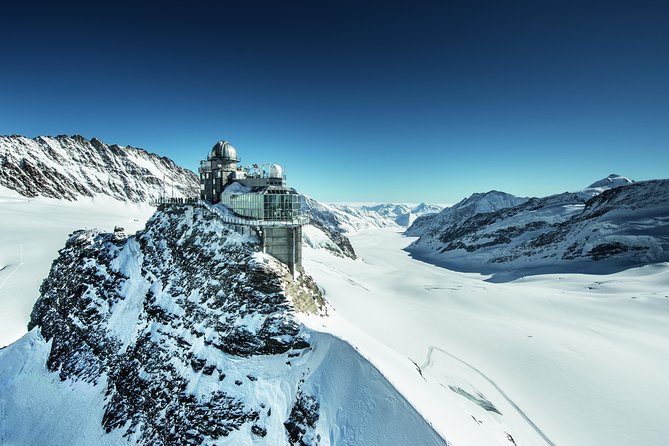
Harder Kulm is an easy mountain viewpoint to add from Interlaken. It works well at the start or end of a day because it does not require a full expedition into the high valleys. If you have limited time, this sort of short outing can help you use the pass without spending the entire day in transit.
Männlichen is a useful bonus because travel there is free with the Jungfrau Travel Pass. It can serve as a mountain stop in its own right or as part of a walking plan between the high stations.
The pass also covers routes around Lauterbrunnen and Kleine Scheidegg, two areas that reward walking. Lauterbrunnen gives you a valley setting with steep cliffs and waterfalls, while Kleine Scheidegg puts you closer to the famous peaks and mountain railway routes.
Do not assume the phrase free travel means every nearby lift is included. The pass applies to select transport lines. A lower section of the Schilthorn route, including Allmendhubel to Mürren, has caused confusion, as has the Pfingstegg cable car. Ask at the station before boarding if your route is not clearly shown on the current coverage map.
Lake boats and choosing the right pass length
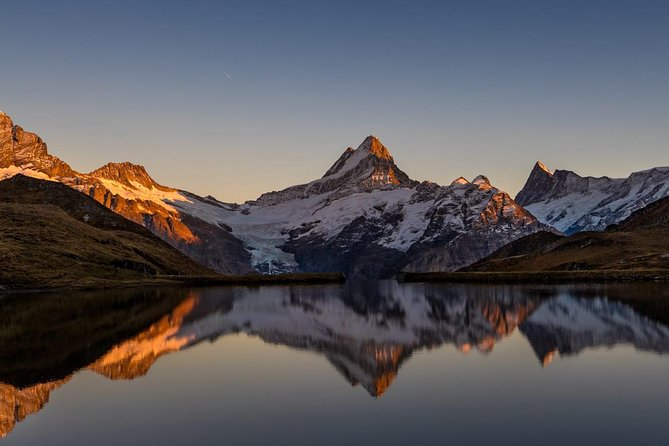
Pass length affects more than the number of days. Boat coverage changes too. The 3- and 4-day passes do not include the lake boat rides, while passes of 5 days or more do.
That difference can decide which version makes sense. If you are spending three days in Interlaken and plan to use mountain railways heavily, the shorter pass may still be a good buy. If you want to mix high mountain trips with relaxed boat rides on rainy or low-cloud days, a 5-day pass gives you more options.
I like the way boat travel can rescue a damp day. You may not want to pay for a high viewpoint when the peaks are hidden, but a boat ride can still give you an enjoyable change of pace. The longer pass therefore offers more than extra sightseeing days. It gives you a better backup plan.
The pass becomes less attractive if you plan to walk most of the time. Hiking itself costs nothing, and a visitor who makes only an occasional train or cable-car trip may spend less by buying point-to-point tickets.
Does the $260.88 price offer good value?
At about $260.88 per person, this is a serious purchase, especially for a 3-day version. The right question is not if the pass looks expensive. It is how many transport segments you will actually use.
A 4-, 5-, or 6-day pass can make sense if you plan several mountain rides, local train journeys, and connections to trailheads. The savings come in two forms:
- You may pay less than the total of separate tickets.
- You avoid queues and repeated ticket purchases.
Several people used the pass extensively from town to town and from station to trailhead, finding that the initial cost paid off. That pattern is the key. If you hop between trains, boats, and gondolas each day, the pass can be excellent value.
If you spend two days walking from your hotel and take one paid ride, it is harder to justify. Before buying, sketch out your likely routes and compare the individual fares. Include the mountain lifts, not just the train from Interlaken.
The pass may also provide reduced prices on some excluded routes, but do not treat every exclusion as a discounted ride. The exact benefit depends on the line. Check before you commit to a costly excursion such as Schilthorn or Jungfraujoch.
Weather, seasons, and the risk of fixed dates
The Jungfrau region is built around outdoor views, so weather is not a small detail. A high station can be magical in clear conditions and almost pointless when cloud, rain, or snow blocks everything.
A fixed 3-day pass is the riskiest option if your schedule is tight. Two poor-weather days can erase much of the value, and the pass cannot be paused. A longer stay gives you more chances to use clear mornings and shift low-level activities to wet afternoons.
Season matters just as much. Some mountain railways close in winter, and some routes may not open until late May. The pass can still help with available transport, but you should never assume every named attraction operates on your dates.
I would choose a longer pass only if you have enough time to use it. An 8-day pass is not automatically better than a 4-day pass. It is better for someone staying in the region and planning repeated outings, not for a short stop with a packed Swiss itinerary elsewhere.
Who should buy this pass?
I would recommend it most strongly to you if:
- You are staying in the Jungfrau region for 3 to 8 consecutive days.
- You want to visit several mountain stations.
- You expect to use trains, gondolas, buses, and possibly boats repeatedly.
- You enjoy independent hiking and want easy access to trailheads.
- You prefer changing plans without buying a new ticket at every stop.
It is less suitable if you are visiting only one viewpoint, spending most of your time on foot, or planning a short stop with uncertain weather. It is also a poor match if reaching Jungfraujoch is your only major goal, since the final connection is extra.
There is no group itinerary to follow and no guide to explain the peaks. That is a strength if you like setting your own pace, but a limitation if you want local commentary or help choosing routes.
Booking, cancellation, and practical details
Confirmation is provided at booking, and the ticket is mobile. Because the pass may need to be exchanged for an official rail pass, keep the voucher accessible and verify the redemption process before your first ride. A printed copy is a sensible backup if the current instructions are unclear.
The experience is near public transportation, and service animals are allowed. Most people can take part, though individual mountain walks and transport routes may have their own physical demands.
Free cancellation is available up to 24 hours before the experience start time for a full refund. Cancellations or changes made within 24 hours are not accepted and are not refunded. The cut-off uses local time.
Should you book the Jungfrau Travel Pass?
Book it if you want to move often and make the mountains the main part of your stay. The pass is at its best when you use it for several rides each day, connect towns with trailheads, and keep a few weather backup plans ready.
Choose 5 days or more if lake boats matter to you. Choose 3 or 4 days only after checking your intended routes, since boat access and some mountain lines are excluded. Most important, set aside extra money for Jungfraujoch and check coverage for smaller lifts such as Pfingstegg and parts of Schilthorn.
For an active stay around Interlaken, Grindelwald, and Lauterbrunnen, this pass can save both money and patience. For a slow holiday with one big excursion, individual tickets may be the wiser choice.
FAQ
How long is the Jungfrau Travel Pass valid?
You can choose a pass valid for 3, 4, 5, 6, 7, or 8 days.
What types of transportation does the pass cover?
It provides unlimited use on selected transport lines, including trains, buses, gondolas, and, with qualifying pass lengths, boats.
Is Jungfraujoch, Top of Europe included?
No. The connection from Eigergletscher to Jungfraujoch, Top of Europe, is not included. Pass holders can buy that connection locally at a reduced price.
Are lake boat rides included?
Boat rides are not included with the 3- or 4-day passes. They are included with passes of 5 days or longer.
Is travel to Männlichen included?
Yes. The Jungfrau Travel Pass includes free travel to Männlichen.
Are food and drinks included?
No. Food and drinks are not included.
Is a guide included?
No. This is an independent travel pass, not a guided tour.
Can I cancel for a full refund?
Yes, if you cancel at least 24 hours before the experience start time. Cancellations within 24 hours are not refunded.
Is the pass available as a mobile ticket?
Yes. The booking includes a mobile ticket, but you should check whether the voucher must be exchanged for an official rail pass at a railway office.
Just added around Interlaken
- From Zurich: Crash Landing on You Private Day Trip★ 5.0 · 3 reviews
- Crash Landing on You: Switzerland Filming Locations Day Tour★ 5.0 · 3 reviews
- Raclette Rafting in Interlaken★ 3.5 · 3 reviews
- Phototour Private Photoshoot in Interlaken & Lake Brienz and Thun★ 5.0 · 3 reviews
- Interlaken Full-Day Highlights Tour with a Local by Private Car★ 4.5 · 3 reviews
- Bollywood Tour Gstaad – Express Tour★ 5.0 · 3 reviews
- 1-Day Beginner Snowboard Package in Grindelwald★ 3.5 · 3 reviews
- Private transfer from Lauterbrunnen to Zurich Airport★ 5.0 · 3 reviews
Interlaken Tours, compared.
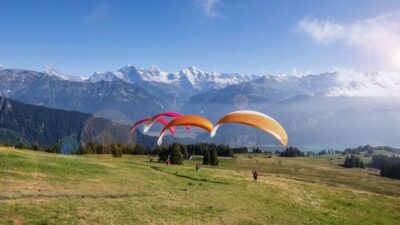
Interlaken: Tandem Paragliding Flight with Pilot
Read our review →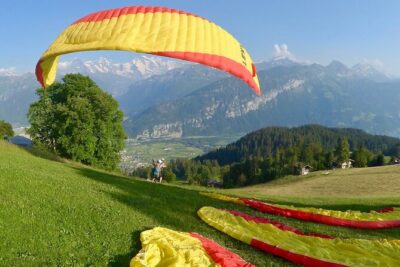
Tandem Paragliding Experience from Interlaken
Read our review →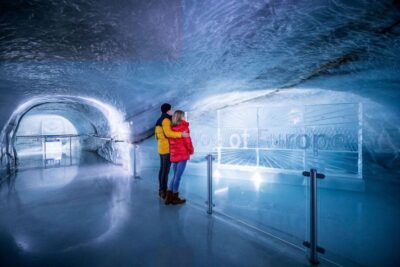
From Interlaken: Guided Tour to Jungfraujoch – Top of Europe
Read our review →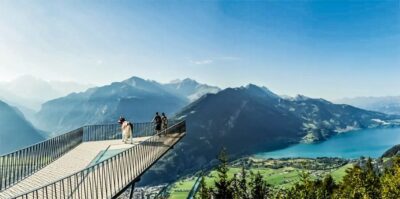
Mürren: Paragliding over the Lauterbrunnen Valley
Read our review →Browse the lists this tour appears in