
Reviewed · ZURICH TOURS
City tour historic old town Zurich
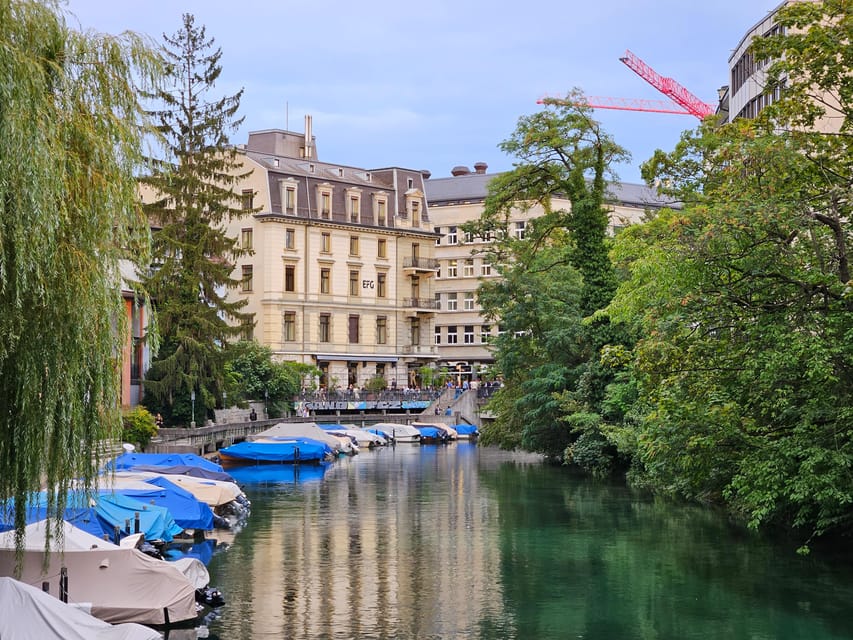
Zurich’s old town is more than tidy lanes and expensive shop windows. This small-group walk follows the odd corners and big personalities tucked into Niederdorf and Oberdorf, from Albert Einstein’s working life to Lenin’s former apartment and the old pig alleys. I like the mix of famous sights and places you could easily miss, especially the hidden baroque garden and the romantic cloisters. I also like that the route uses the Polybahn, giving you a quick ride from Central to the ETH Terrace instead of making every step uphill.
The main thing to consider is the pace. Zurich’s old town has hills, stairs, and uneven streets, and one guest found the guide moved too quickly for photos and finished in about one hour and 45 minutes. If you want plenty of time at each church, window, and viewpoint, this may feel brisk.
Key points at a glance
- Einstein, Lenin, and James Joyce: Follow the personal stories of three famous figures connected with Zurich.
- A five-minute Polybahn ride: Travel from Central to the ETH Terrace by Zurich’s historic hillside railway.
- Chagall’s Fraumünster windows: See one of the city’s most memorable works of modern religious art.
- The old town’s strange details: Learn why the narrow pig alleys in Niederdorf once mattered.
- Views from Lindenhof and the churches: Combine city panoramas with Grossmünster, St. Peter, and Fraumünster.
- A hilly two-hour walk: Expect steps and slopes, and wear shoes that can handle cobbles.
Start at Hirschenplatz, where Zurich’s old town gets personal
Meet in front of Hotel Hirschen on Hirschenplatz. This is a useful starting point because you are already in the heart of the old town, close to the narrow lanes of Niederdorf and Oberdorf.
I like this kind of beginning. You do not spend the first part of the tour crossing a modern business district before reaching the sights. From the first steps, the guide can point out the small features that make Zurich’s center worth walking rather than simply photographing from a tram.
Your guide leads in English, German, Swedish, or Greek. Some material is presented in its original language, so check the language when booking. The group format is small, though an exact group size is not given. That usually makes it easier to ask about a particular building or personality, but it also means the walk depends on the guide’s pace and how many people stop for pictures.
The tour is sold as two hours. The route includes many short stops, so think of it as a connected walk with frequent explanations rather than a series of long indoor visits. You will see a lot, but you should not expect a full museum-style treatment at every stop.
A few more Zurich day trips to weigh up
- Zürich Historic District Tour
★ 5.0 · 206 reviews - Historical Zürich: A Self-Guided Audio Tour Through the city of 1,000 Fountains
★ 5.0 · 11 reviews - Zurich a journey through time, history and the Reformation
★ 5.0 · 4 reviews
Niederdorf and Oberdorf reveal Zurich’s odd little stories
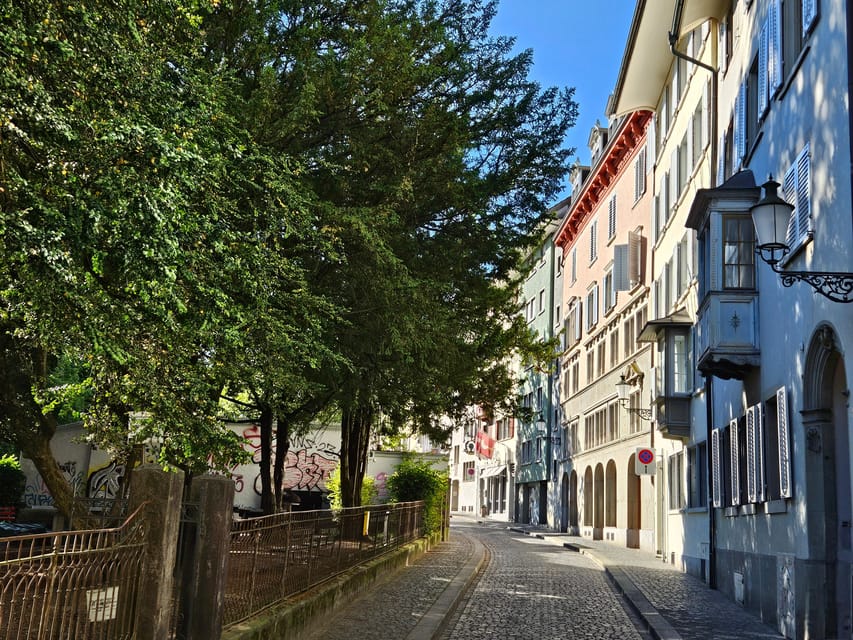
Niederdorf and Oberdorf are the setting for most of the experience. These districts contain the narrow lanes, old houses, churches, fountains, and small squares that give Zurich its character.
The guide brings out the details that are easy to pass without noticing. The pig alleys in Niederdorf, for example, had a practical purpose in earlier times. That sort of fact gives the old town more life than a simple list of dates and building names.
You also hear about people who lived and worked here. Albert Einstein is the best-known name, but Lenin and James Joyce add different chapters to the story. Their connection to Zurich helps you see the old town not as a frozen historic quarter, but as a place where writers, political exiles, students, and scientists spent ordinary days.
I appreciate this focus because it gives you useful context for later wandering. After the tour, a narrow lane is less likely to look like a random passage between buildings. You may remember the person, trade, or local custom tied to it.
The Polybahn adds a quick change of scenery
One unusual feature is the transfer on the Polybahn from Central to the ETH Terrace. The ride takes about five minutes and is included in the experience.
The Polybahn is not used as a sightseeing ride in place of walking. It helps connect the lower part of the old town with the higher university area, and it breaks up the climb. You get a short ride and a different view of Zurich before continuing on foot.
This is a practical plus for a two-hour route. Zurich’s old town is hillier than many first-time visitors expect, and saving some uphill effort matters. Still, the ride does not make the tour easy for everyone. The walk includes slopes and many steps, and the experience is not suitable for wheelchair users, people with mobility impairments, or people with visual impairments.
If you use a walking stick, tire easily, or dislike stairs, ask about the exact route before booking. The supplied details do not promise step-free access.
Rämistrasse 101 connects the city with Einstein
The stop at Rämistrasse 101 includes a photo stop and guided explanation. This is one of the places tied to Albert Einstein’s life and work in Zurich.
The value here is not just the chance to photograph an address. A guide can connect a building to the period when Einstein studied, worked, or developed his ideas in the city. The experience does not provide a long lecture on physics, so you can expect a concise human story rather than a technical lesson.
For many people, this will be one of the tour’s strongest points. Einstein is a familiar name, but seeing a real Zurich location linked to him gives the city a personal scale. You are not only looking at a grand church or city view. You are standing where an important figure spent part of his life.
Bring your camera, but do not assume you will have unlimited time at each stop. The overall route is tightly timed.
Same mountains, a completely different day out:
- Lindt Home of Chocolate Museum Entry Ticket
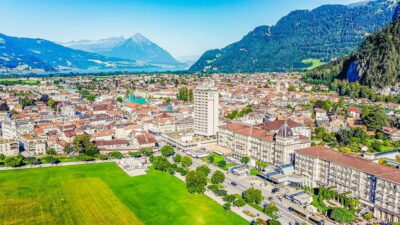
★ 4.7 · 9,329 reviews - Zurich: Day Trip to Grindelwald, Interlaken & Lauterbrunnen
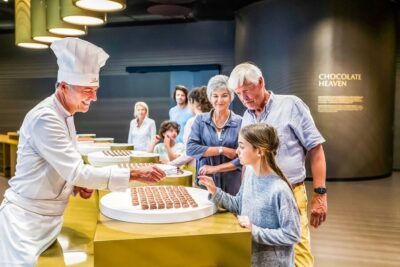
★ 4.5 · 4,699 reviews - Zurich: City Tour, Cruise, and Lindt Home of Chocolate Visit
★ 4.5 · 4,624 reviews - From Zurich: Bus Day Trip to Heidiland and Liechtenstein
★ 4.5 · 2,531 reviews
Stadtmauerkeller and Brunngasse show the old town below the surface
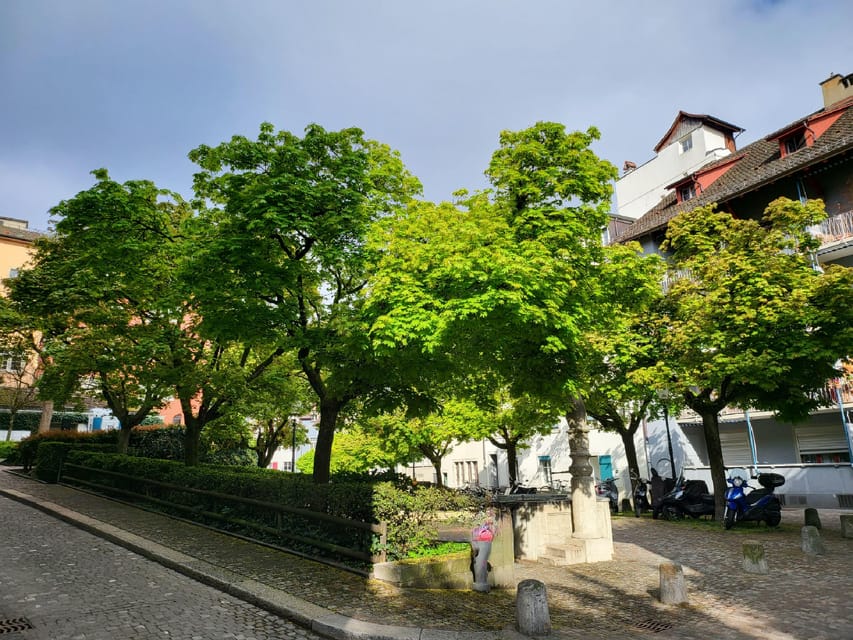
The Stadtmauerkeller stop lasts about 10 minutes. Its name points to Zurich’s former city walls and underground spaces, giving the tour a look at the city’s defensive past rather than only its polished public squares.
The visit is brief, but that is enough to add variety. You move from street-level buildings and church towers to a place connected with the older structure of the city. I find stops like this useful because they explain why some lanes bend, narrow, or sit at unusual levels.
At Schauplatz Brunngasse, another short visit adds a different piece of old Zurich. The stop lasts about 10 minutes, and the guide uses it to tell stories about the surrounding area and its residents.
The tour’s appeal depends heavily on this kind of detail. If you want only the major sights, you can see those on your own. The guide earns the price by explaining the places between them.
Neumarkt and the famous residents of Zurich
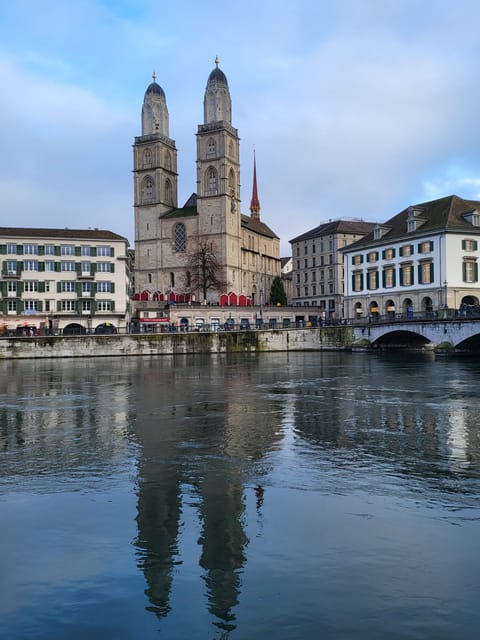
Neumarkt provides a photo stop and another chance to look closely at the old town’s buildings and lanes. The square is part of the Oberdorf area, where the walk shifts between public spaces and residential corners.
The route then reaches the Leninwohnung, Lenin’s former apartment. This stop lasts roughly 10 minutes and includes a guided visit.
That is a strong choice for anyone interested in political history. Lenin’s time in Zurich gives the city a connection to the upheavals of early twentieth-century Europe, but the apartment also keeps the story grounded. You are considering where a major political figure lived, not merely hearing his name in a timeline.
James Joyce is also part of the old town story, though the listed stops do not identify a separate Joyce residence. The guide’s broader discussion of famous personalities helps you see Zurich as a meeting place for people with very different goals and backgrounds.
Grossmünster gives the route its classic Zurich image
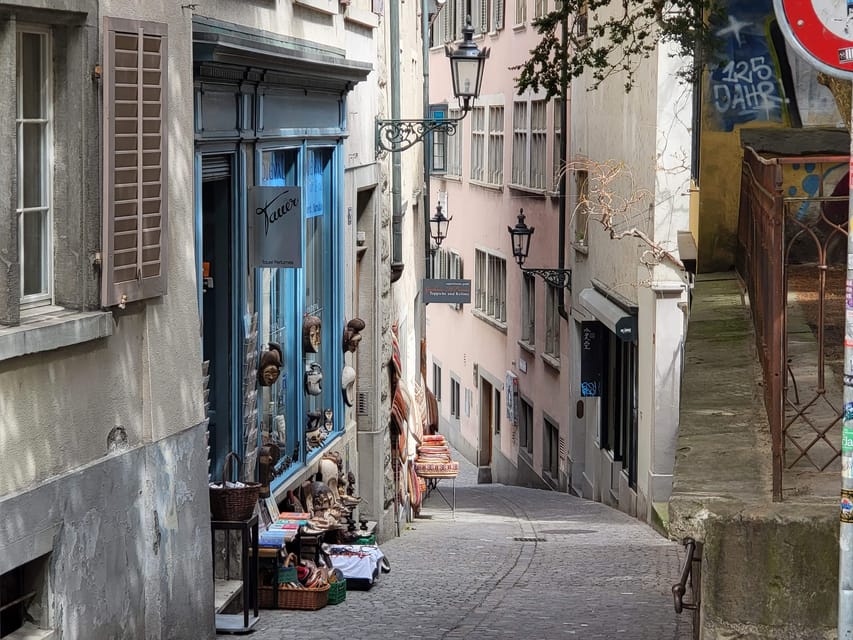
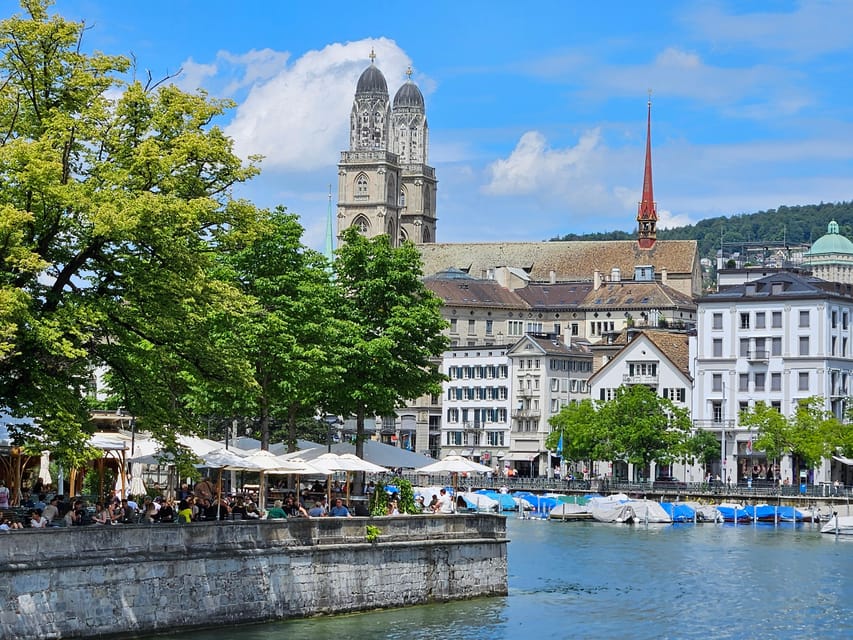
Grossmünster is one of the city’s defining sights. The tour includes a photo stop and visit, with about 10 minutes set aside here.
The twin towers make Grossmünster easy to recognize from many parts of Zurich. On the tour, you get the advantage of hearing about the church in the setting where its role makes sense, surrounded by the old town rather than isolated in a guidebook paragraph.
The stop is short, so treat it as an introduction. If you want to study the interior, climb a tower, or spend time with the details, plan a separate visit. The tour is built to keep moving.
That tradeoff is repeated across the route. You cover more ground and hear more stories, but you do not linger long at any one sight.
Fraumünster and the Chagall windows reward close attention
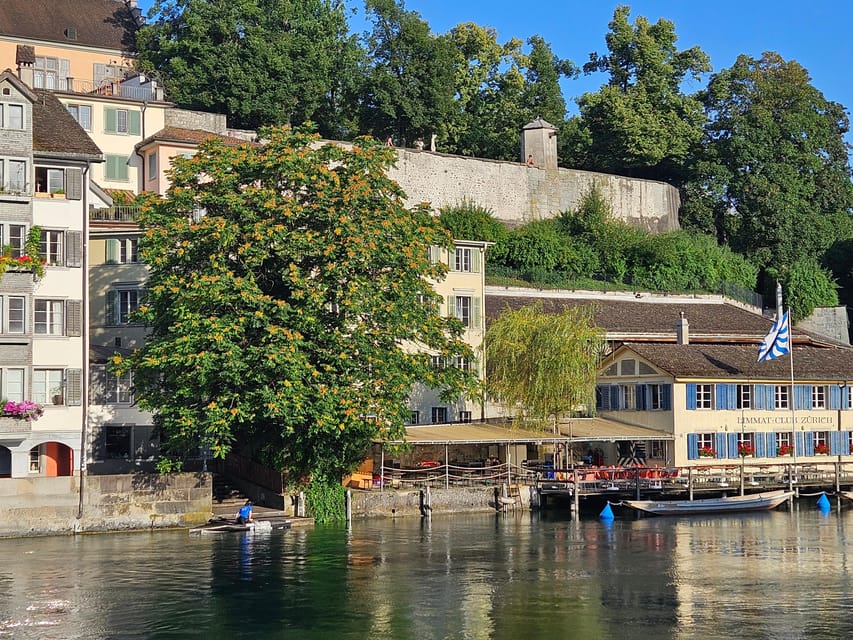
Fraumünster is another major church on the route, with about 10 minutes for a visit. The Chagall windows are the main visual draw.
These windows are a real feast for the eyes, especially after several stops focused on architecture, residents, and street history. Their strong colors and modern style create a sharp contrast with the older church setting.
You should not rush through this stop if art matters to you. At the same time, the guide controls the schedule, and the two-hour format may leave you wishing for a few extra minutes. If the Chagall windows are a top priority, make a note to return independently.
The Fraumünster visit also helps balance the tour. Zurich’s story is not only political, academic, or practical. Its churches contain serious art and visual surprises.
Thermengasse and St. Peter add layers to the city center
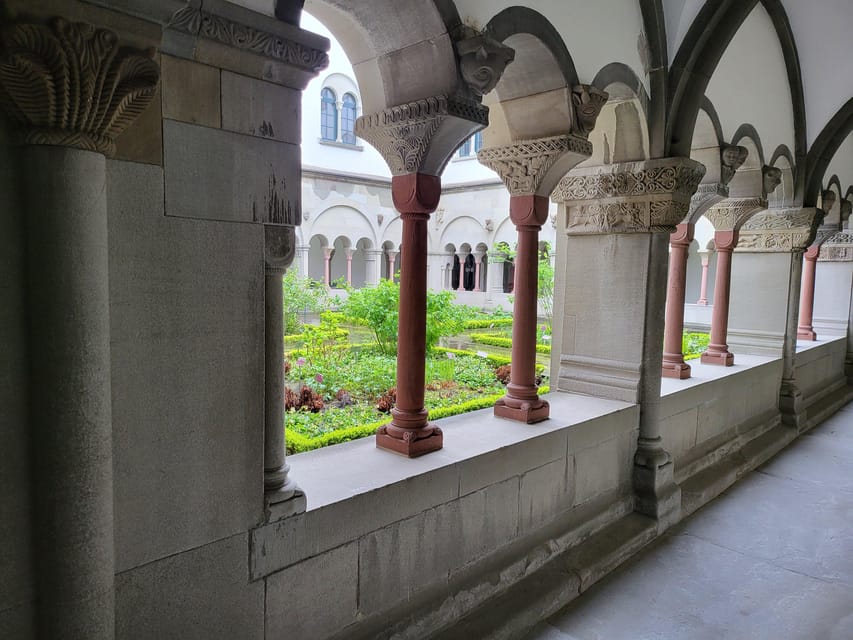
Thermengasse is a short 10-minute stop connected with Zurich’s earlier urban life. The name points toward the city’s Roman-era bathing history, adding another time period to a walk that also covers medieval churches and modern personalities.
This is the kind of place you might overlook without a guide. It is not necessarily a grand landmark, but it helps show that Zurich’s story reaches beneath the present street plan.
The route then continues to St. Peter, one of the old town’s most recognizable churches. The stop includes a photo opportunity and visit.
St. Peter is known for its large clock face, and its position near the old town makes it an easy reference point as you walk. The visit is again brief, about 10 minutes. You get an explanation and a chance to look, but not a long study session.
I like the way these stops keep the tour from becoming a parade of famous names. Small lanes, old foundations, churches, fountains, and residents all get a place.
Lindenhof closes the walk with a useful city view
Lindenhof is the final guided stop before you return to Hirschenplatz. Set above the old town, it gives you a chance to understand Zurich’s layout from a higher point.
The view is one of the best reasons to end here. After walking through Niederdorf and Oberdorf, you can look across the city and connect the places you have just visited. A guide can also point out the relationship between the old town, the river, and the opposite side of Zurich.
One evening tour was led by Maria, who was described as warm and friendly and gave an informative night walk with views from both sides of the city. The tour can therefore work well after dark, when Zurich’s old town takes on a quieter mood. Confirm the departure time and light conditions when booking, since the experience offers different starting times.
Lindenhof is also where the tour’s physical demands become clear. The route has included hills and stairs, and the final viewpoint requires enough energy to appreciate it. If your pace is slower, tell the guide early rather than trying to keep up silently.
What the two-hour schedule means in practice
The listed route contains many stops, but the total experience remains two hours. That tells you how the time is divided: short explanations, photo pauses, quick visits, and walking between locations.
I would plan on a brisk but manageable city walk rather than a slow wander. Wear firm shoes, keep your camera ready, and avoid filling your hands with shopping bags. If you stop often for photos, you may need to catch up.
One guest found the guide’s pace too fast and felt that the tour ended about 15 minutes early. That is worth taking seriously. A guide who keeps moving can cover more ground, but the old town is best enjoyed with a little breathing room. A slower guide would make it easier to absorb the views and details.
The guide’s response to group wishes can also shape the experience. One German-speaking guest had a guide who adapted spontaneously to the group and showed unusual places away from the standard sights. That is a good reason to ask questions and express your interests at the start.
Is $49 a fair price for this Zurich walk?
At $49 per person, the tour is not the cheapest way to see Zurich’s old town. You can walk past Grossmünster, St. Peter, Lindenhof, and Fraumünster without paying for a guide.
The value comes from the connections. You are paying for two hours of local explanation, a route through places that are easy to miss, the stories of Einstein, Lenin, and Joyce, and the included Polybahn transfer. You also avoid spending your own time figuring out how the old town’s small sights fit together.
I consider the price reasonable if you want an orientation walk on your first day in Zurich. It is less compelling if you already know the old town well or prefer to set your own pace inside churches and at viewpoints.
The small-group setting helps, but the exact size is not stated. If a private experience is available for your date, it may suit you better if you want to linger, ask many questions, or focus on Einstein, architecture, art, or political history.
Who will enjoy this, and who should skip it?
I would choose this tour if you want a compact introduction to Zurich with more personality than a basic landmark walk. It suits first-time visitors, history fans, architecture lovers, and anyone who likes odd local details.
It is also a good fit for people with only a short time in the city. In two hours, you see major churches, famous homes, old streets, viewpoints, and the Polybahn route. You leave with a mental map for later exploring.
I would skip it if you need a fully accessible route, dislike stairs, or want a relaxed photo walk. The experience is specifically not suitable for wheelchair users, people with mobility impairments, or people with visual impairments.
You should also think twice if you want long interior visits. Fraumünster, Grossmünster, St. Peter, and the other stops receive concise attention. The tour gives you reasons to return, not enough time to examine every detail.
Practical details before you book
The meeting point is in front of Hotel Hirschen on Hirschenplatz. The duration is two hours, and starting times vary, so check availability for your date.
Tours are offered in English, German, Swedish, and Greek. Some content may be presented in its original language, which could matter if you want every explanation in English.
Cancellation is free up to 24 hours before the start for a full refund. You can also reserve now and pay later, which is useful when your Zurich schedule is still changing.
Wear comfortable shoes and expect hills, steps, and cobbled streets. Keep the route in mind when deciding what to carry, since stopping for photos may mean walking faster to rejoin the group.
Should you book this Zurich old town tour?
Book it if you want Zurich’s old town explained through people, odd corners, church art, and city views. The Einstein, Lenin, and James Joyce connections give the walk a clear personality, while the pig alleys, Stadtmauerkeller, Thermengasse, and hidden cloisters add the surprises you would be unlikely to find from a quick self-guided stroll.
I would book early in a short Zurich visit, especially if you want a local orientation before exploring alone. Just arrive ready for a brisk walk, and choose another option if stairs, hills, or a fixed pace will limit your enjoyment.
FAQ
Where does the Zurich old town tour start?
It starts in front of Hotel Hirschen on Hirschenplatz.
How long does the tour last?
The guided old town experience lasts two hours. The Polybahn transfer takes about five minutes.
Is the Polybahn ride included?
Yes. The experience includes the transfer with the Polybahn from Central to the ETH Terrace.
Which languages are available?
The live guide is available in English, German, Swedish, and Greek. Some content is shown in its original language.
Does the tour visit the Chagall windows?
Yes. The route includes a visit to Fraumünster, where you can see the Chagall windows.
Is the tour suitable for wheelchair users?
No. The experience is not suitable for wheelchair users, people with mobility impairments, or people with visual impairments.
Can I cancel for a full refund?
Yes. You can cancel up to 24 hours in advance for a full refund. Reserve now and pay later is also available.
Just added around Zurich
- 2 Hour Floating Harmony Couples Course★ 5.0 · 3 reviews
- From Zurich: 7-Day Tour to Geneva with Tickets and Lodging★ 5.0 · 3 reviews
- Lake Zurich boat tour for an afternoon !★ 5.0 · 3 reviews
- Lake Zurich mini boat tour / by night!★ 5.0 · 3 reviews
- Zurich: Private tour to Interlaken, Grindelwald & Jungfrau★ 5.0 · 3 reviews
- Zurich Premium Fitness Pass★ 3.0 · 3 reviews
- Central Switzerland (Private Tour)★ 5.0 · 3 reviews
- Wakeboarding Lake Zurich – afternoon !★ 5.0 · 3 reviews
Zurich Tours, compared.
Zurich: Day Trip to Grindelwald, Interlaken & Lauterbrunnen
Read our review →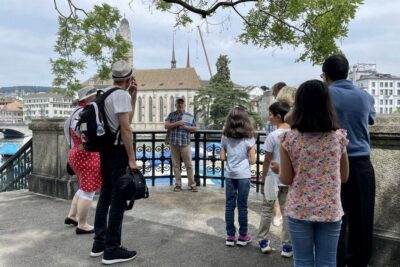
Zurich: City Tour, Cruise, and Lindt Home of Chocolate Visit
Read our review →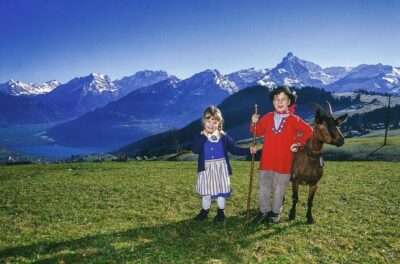
From Zurich: Bus Day Trip to Heidiland and Liechtenstein
Read our review →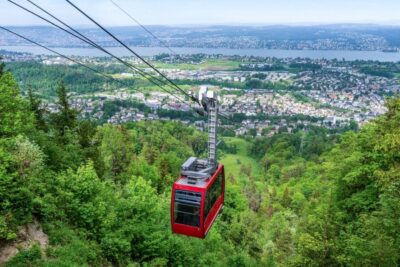
Zurich: City Highlights Tour by Bus, Cable Car, and Ferry
Read our review →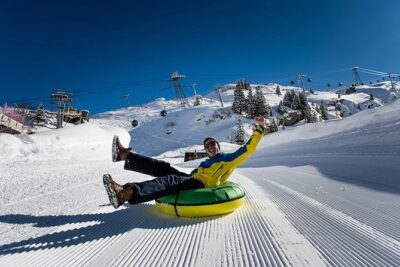
Mount Titlis and Lucerne Day Trip from Zurich
Read our review →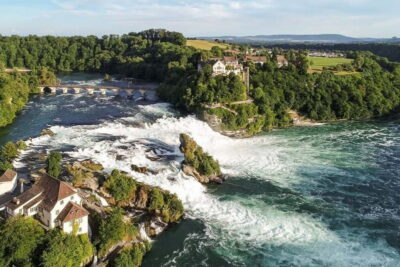
Heidiland and Liechtenstein Tour from Zurich
Read our review →Browse the lists this tour appears in