
Reviewed · ZERMATT TOURS
Zermatt: Alpine Village Tour 2 hours
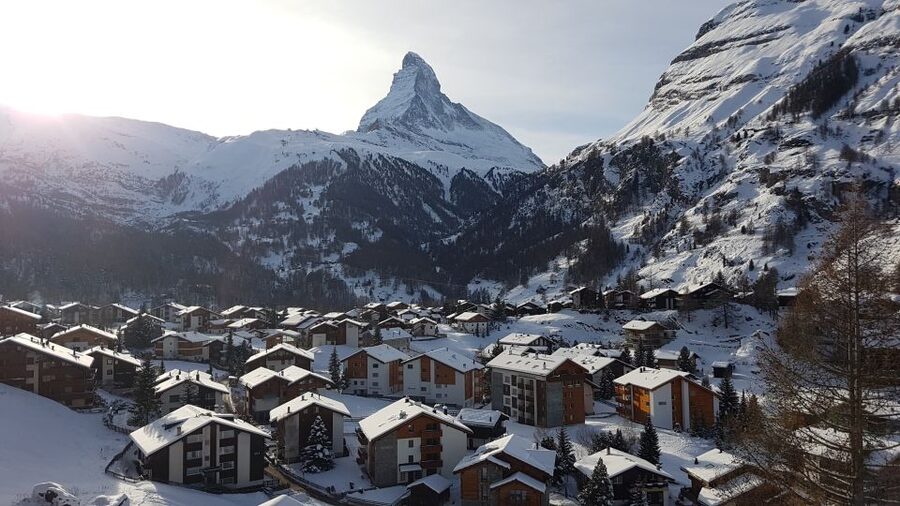
Zermatt’s best introduction may be on foot, away from the main road and surrounded by old wooden houses. This two-hour village walk takes you through the car-free center, then to Kirchbrücke, one of the village’s best-known Matterhorn photo spots.
I like the small-group format and the way the tour combines Swiss architecture with local explanations. I also like the short length, which leaves room for a mountain railway, lunch, or a longer walk afterward.
The main drawback is the price: at $122 per person, this is not a cheap orientation walk. You are paying for a personal guide and local context, not admission tickets, food, or a major mountain excursion.
Key points at a glance
- Old Zermatt on foot: Leave the main road behind and walk through the village’s older streets.
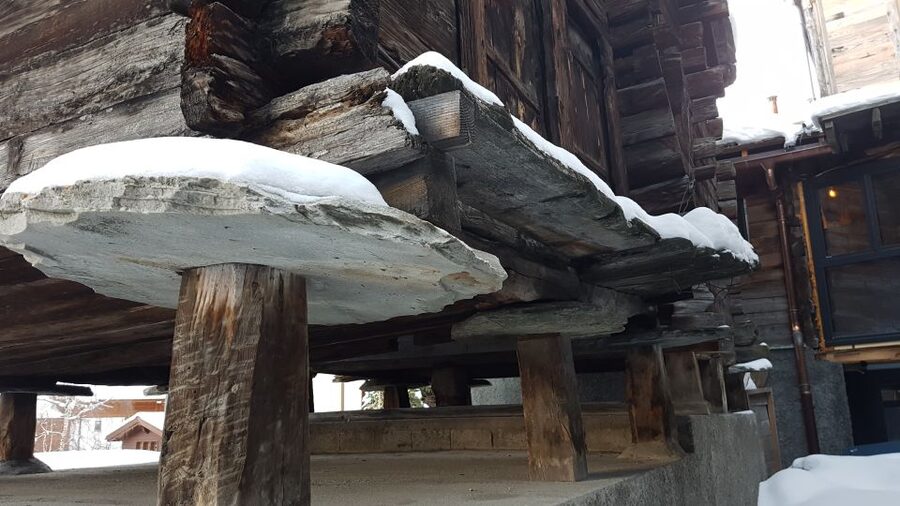
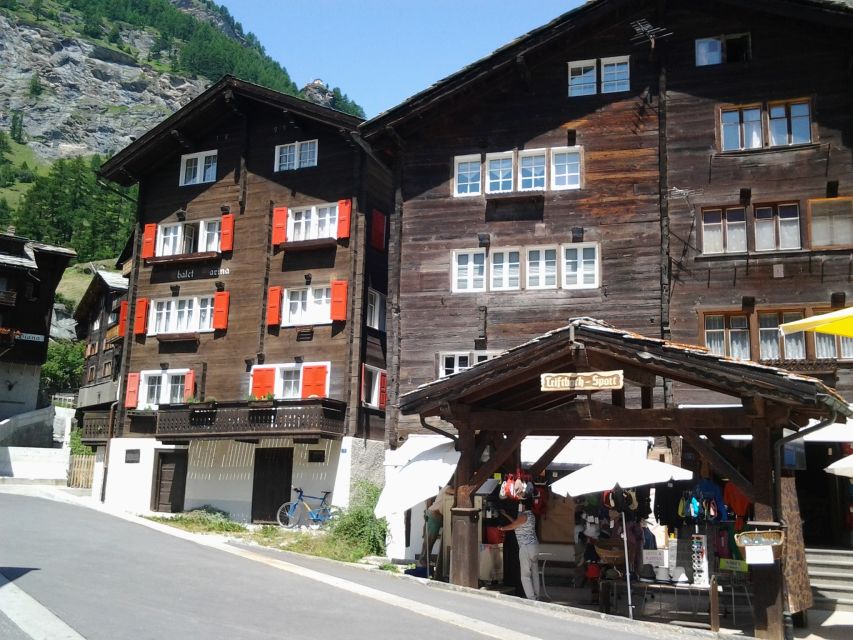
- Traditional wooden houses: See the alpine buildings that give Zermatt its distinctive character.
- Kirchbrücke viewpoint: Stop for memorable Matterhorn photographs from a classic village vantage point.
- Small-group setting: The limited group size allows for a more personal walk and easier questions.
- English or German guide: Choose a tour led in the language that works best for you.
- Easy two-hour commitment: This fits neatly into a day already planned around trains, lifts, or mountain walks.
Why a short walk helps you understand Zermatt
Zermatt is famous for the Matterhorn, but the mountain can easily take over your entire visit. That is understandable. The peak is dramatic, and every clear view feels worth stopping for. Still, a guided walk through the village gives you a useful sense of the place below the mountain.
This experience focuses on Zermatt itself. You are not riding a cable car, taking a train to a high viewpoint, or spending the day on a trail. Instead, you follow a local guide through the car-free village and hear about its alpine history and daily life.
That distinction matters. If you only pass through Zermatt on the way to a mountain lift, the old village can blur into shops, hotels, and passing crowds. A guide helps point out the older buildings and explains why they matter. The focus on Swiss architecture is one of the strongest parts of the experience.
The two-hour length also makes practical sense. You get enough time for a proper walk and several stops, but not so much that the tour consumes your day. I would consider it especially useful near the start of a Zermatt stay, when you want to learn the layout before exploring on your own.
A few more Zermatt day trips to weigh up
- Zermatt 2-Hour Small Group Village Walk
★ 5.0 · 11 reviews - Zürich: 2-Hour Sightseeing Bus Tour
★ 4.2 · 803 reviews - Geneva Highlights 2-Hour Introductory Tour
★ 4.0 · 322 reviews
Meeting your guide at Zermatt station
The tour begins in front of the Zermatt tourist information center at the village train station. The tourist center does not operate the tour, so look for your guide rather than assuming the staff inside will check you in.
This is a convenient meeting place because Zermatt is reached by train and the village is car-free. You do not need to arrange a separate taxi transfer to the starting point. The activity also finishes back at the same meeting point, which makes it easier to plan the rest of your day.
Give yourself enough time to identify the right meeting spot before the scheduled start. The provided details do not name the guide, so check your booking information for any final contact or meeting instructions.
The guide speaks English or German. If language is important to you, choose the option that lets you ask questions comfortably. The value of this tour depends heavily on the explanations, not just the route.
Walking the car-free streets of old Zermatt
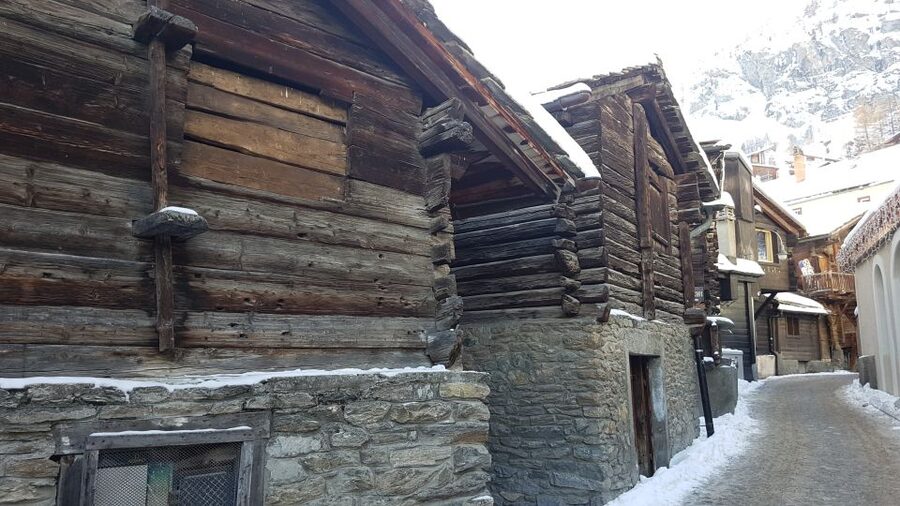
The first part of the walk takes you through Zermatt’s older area, away from the main road. This is where the tour earns its keep. Rather than simply pointing out the Matterhorn, the guide puts the village in context.
You can expect a gentle stroll through streets lined with traditional wooden houses and historical buildings. The information provided does not promise a specific number of stops or named buildings, so think of this as a guided orientation rather than a fixed museum-style itinerary.
The old houses are especially important for visitors who want more than mountain photographs. Their wood construction and alpine design show a side of Zermatt that can be missed among modern hotels, restaurants, and shops. The architectural focus was also praised in the available feedback, with particular appreciation for the Swiss buildings and the guide’s explanations.
I would pay attention to the contrast between the old village and the newer parts of Zermatt. That contrast helps you understand how the settlement has changed while keeping traces of its alpine character. A local guide can explain details that are easy to overlook when you walk alone.
The route is described as leisurely, but you should still expect to walk for the full two hours. Wear comfortable shoes. The tour is not presented as a strenuous hike, yet old village streets can be uneven, and you will be standing for much of the experience.
What the guide adds to the architecture
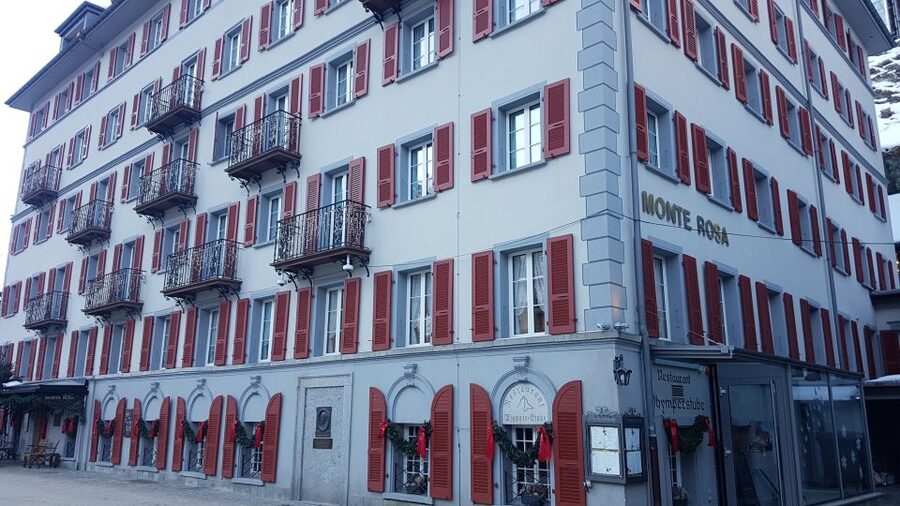
A building can look attractive without telling you much. The guide’s role is to connect what you see with the way people lived in the alpine village.
The tour covers Zermatt’s alpine history and stories about life in the heart of the village. The information is not a full scholarly study, and the experience does not include entry to an indoor museum. Instead, the local guide brings meaning to the streets, houses, and older buildings around you.
That approach suits me because it keeps the tour grounded in the place itself. You do not spend two hours inside a lecture room. You hear the story while standing in the setting where it unfolded.
The two available ratings give the guide an important role. One specifically praises the explanations, and another calls the guide great and very well informed, despite a spelling error in the original comment. The useful takeaway is clear: the quality of the commentary is a central reason to book.
Because no guide name is provided, you should not book expecting a particular person. You are booking a local guide in English or German, with the exact guide assigned for your chosen departure.
Same mountains, a completely different day out:
- Zermatt: Matterhorn Glacier Paradise Cable Car Ticket
★ 4.8 · 899 reviews - Zermatt: Gornergrat Bahn Cogwheel Train Ticket
★ 4.7 · 463 reviews - Private Ski Lessons – 3 hours Zermatt
★ 5.0 · 279 reviews - Matterhorn Paragliding flight in Zermatt (20-25min)
★ 5.0 · 207 reviews
The Kirchbrücke stop and Matterhorn photos
The high point of the route is Kirchbrücke, a photopoint known for Matterhorn views. This is the place to have your camera ready.
The bridge offers the kind of classic Zermatt image many people hope to take: the village below and the Matterhorn rising behind it. The exact view depends on weather, visibility, and the angle of the mountain, so no walking tour can guarantee a perfect photograph. Still, making Kirchbrücke part of the route saves you from having to find the viewpoint on your own.
This stop also gives the walk a satisfying shape. You begin with the village’s older streets and buildings, then reach a scenic point where Zermatt’s setting comes together. The architecture explains the village; the bridge shows why this particular village became so famous.
Allow a little extra patience here if the weather is changing. The Matterhorn is not always fully visible, and a cloud around the summit can alter the view quickly. The tour is still worthwhile for the village walk and local stories, but visitors booking mainly for photographs should keep their expectations realistic.
The description calls the views breathtaking and the pictures iconic. I would treat those as the experience’s visual promise, not a weather guarantee. On a clear day, Kirchbrücke should be the most memorable stop. On a cloudy day, the old village carries more of the tour.
How much does $122 represent?
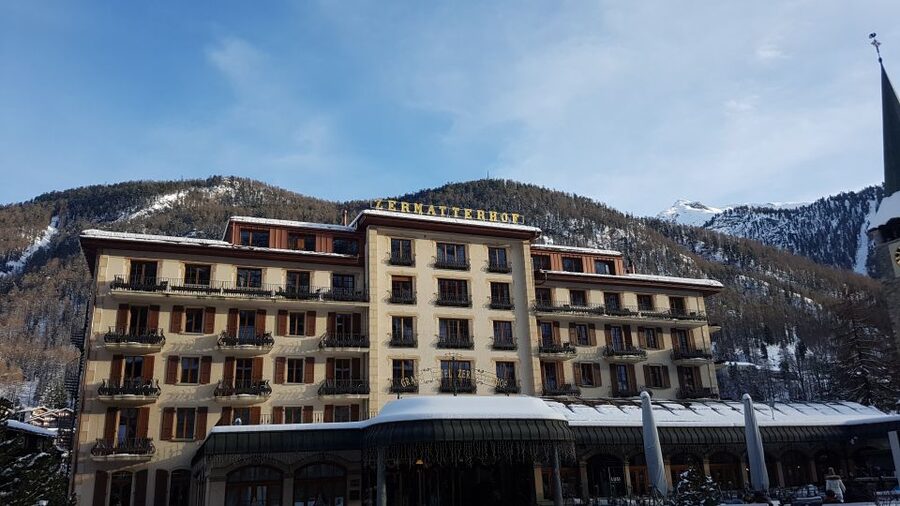
At $122 per person, this is a premium walking tour. There are no food or drink inclusions, no attraction admissions, and no mountain transport. You are paying for the guide’s time, the small-group format, the local route, and the explanations.
That can be good value if you want context and prefer not to research Zermatt’s old quarter yourself. A private guide would usually cost more, while a large free orientation walk may offer less personal attention. The limited group size is important here because it makes questions easier and should keep the walk more focused.
It is less convincing value if you only want a quick look around or a photograph at Kirchbrücke. You can walk through a car-free village without joining a tour, and the viewpoint itself does not require a separate admission ticket according to the information provided.
I would book this for a first visit, particularly if you want to understand the village before heading to higher viewpoints. I would skip it if your main goal is a full-day mountain outing or if your budget is tight. This is a cultural orientation, not a sightseeing pass.
The price also makes the language choice important. If you understand English or German well, you can get the full benefit of the explanations. If you do not, the cost becomes harder to justify.
Who will enjoy this Zermatt walk?
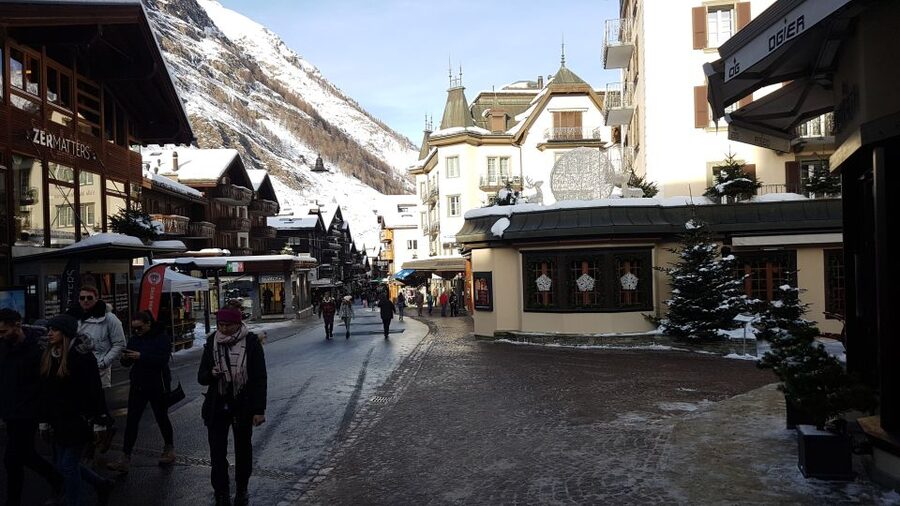
This tour fits visitors who want a calm introduction to Zermatt without committing to a long excursion. It is also a sensible choice for people interested in alpine buildings, village history, and local life.
Families can join, but children must be accompanied by an adult. The two-hour format is easier to manage than a full-day activity, though the walk still requires children to stay with the group and keep moving.
It may also suit older visitors who prefer a village walk to a mountain hike, provided they are comfortable with the route. The experience is not wheelchair accessible, so it is not a good choice for wheelchair users. Strollers are allowed, and service animals are allowed. Those details do not guarantee that every stretch will feel effortless, so contact the provider if your equipment has special needs.
The tour is near public transportation, with the start and end at the train station. That makes it easy to fit into a rail-based Swiss itinerary.
When to place it in your day
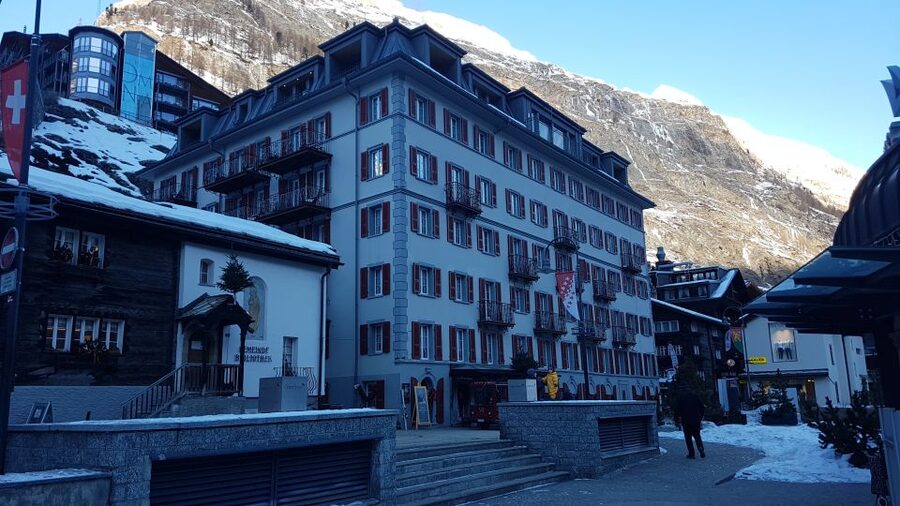
I would schedule this walk early in your stay or early in your sightseeing plans. It can help you recognize the old part of Zermatt later, when you return without a guide.
The tour lasts two hours, but the practical commitment is slightly larger once you include getting to the station and continuing to your next activity. Since starting times vary, check availability before building your day around a lift, train, meal, or reservation.
A morning walk can leave the afternoon open for another activity. An afternoon departure can work after arriving by train, though you should avoid creating a tight connection with another booking. The exact start times are not fixed in the information provided.
Because the walk ends where it begins, you do not have to arrange transport from a distant neighborhood. That simple return point is useful in a car-free village where driving is not an option.
Small details that affect comfort
Wear shoes you can comfortably walk in for two hours. The route is described as a leisurely stroll rather than a hike, but you should not treat it as a seated sightseeing ride.
Bring clothing suited to changing alpine conditions. The tour includes outdoor walking and a viewpoint, and the weather may be different from what you expected when you left the station. The supplied details do not specify shelter, so plan for the possibility of being outside for the full activity.
Food and drinks are not included. You can eat before or after the walk, but do not expect a snack stop to be part of the tour. Personal expenses are also your responsibility.
Take a camera, but listen before rushing to the photo point. The bridge is more useful when you understand the village you are photographing. The combination of old wooden buildings, local explanations, and the Matterhorn view gives the stop more meaning than a quick picture alone.
Booking flexibility and basic policies
You can cancel up to 24 hours before the activity for a full refund. That is helpful in Zermatt, where mountain weather can affect sightseeing plans.
The reserve-now-and-pay-later option also gives you flexibility. You can hold a place without paying immediately, which is useful while your Swiss rail and mountain plans are still taking shape.
The tour includes taxes, fees, handling charges, the guided walk, and the local guide. It does not include meals, drinks, or personal purchases.
The activity is offered in English and German. The tour is provided by SwissTravelGuide, but no individual guide name is listed.
Should you book the Alpine Village Tour?
Book it if you want a guided introduction to Zermatt’s old quarter, care about Swiss alpine architecture, and value a local guide who can explain what you are seeing. The Kirchbrücke stop adds a strong Matterhorn photo opportunity, while the two-hour length leaves space for other plans.
Think twice if you mainly want a free stroll or a high-mountain excursion. At $122, the tour needs to deliver value through commentary and personal attention, not through included attractions.
For a first visit, I see this as a useful orientation with a clear focus: old wooden houses, village life, and one excellent mountain viewpoint. For repeat visitors who already know Zermatt’s center, the price may be harder to defend unless you specifically want more historical and architectural context.
FAQ
How long is the Zermatt Alpine Village Tour?
The tour lasts two hours. Starting times vary, so check availability when booking.
Where does the tour begin?
Meet the guide in front of the tourist information center at Zermatt train station. The tourist center does not represent the tour provider.
Where does the tour finish?
The activity ends back at the meeting point near the Zermatt train station.
Is the tour offered in English?
Yes. The live guide speaks English or German.
Is the tour wheelchair accessible?
No, the activity is not wheelchair accessible. Strollers and service animals are allowed.
Are children allowed to join?
Yes, but children must be accompanied by an adult.
Can I cancel for a full refund?
Yes. You can cancel up to 24 hours in advance for a full refund.
Just added around Zermatt
- From Zermatt: Testa Grigia Cable Car Ticket★ 5.0 · 3 reviews
- Zermatt: Outdoor fondue “group experience under the stars”★ 4.7 · 3 reviews
- Zermatt Village Walk and Glacier Paradise Private Day Trip★ 5.0 · 4 reviews
- Zermatt: Full-Day Guided Hike★ 5.0 · 4 reviews
- Guided Hiking Full Day in Zermatt★ 5.0 · 5 reviews
- Zermatt Guided Day Hike★ 5.0 · 6 reviews
- Private Mystic Zermatt Tour: Peaks, History & Culture★ 4.5 · 6 reviews
- Zermatt’s Alpine Charms – Private Guided Village Tour★ 5.0 · 6 reviews
Zermatt Tours, compared.
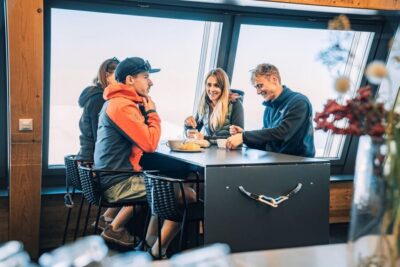
Zermatt: Matterhorn Glacier Paradise Cable Car Ticket
Read our review →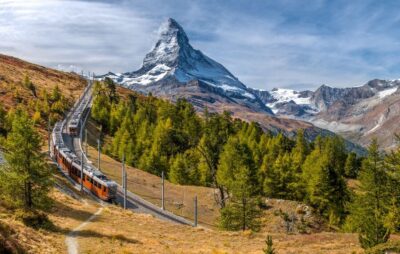
Zermatt: Gornergrat Bahn Cogwheel Train Ticket
Read our review →
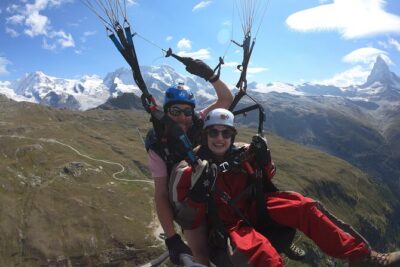
Matterhorn Paragliding flight in Zermatt (20-25min)
Read our review →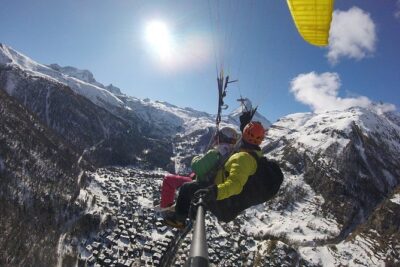
FLYMATTERHORN VIP Paragliding from Zermatt, With Matterhorn View
Read our review →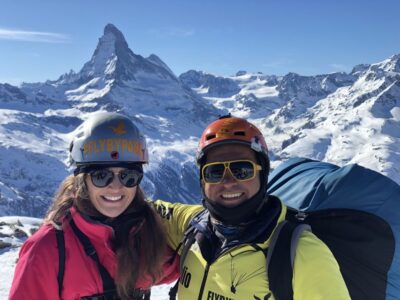

20 to 25 Minute Tandem Paragliding in Zermatt and Matterhorn View
Read our review →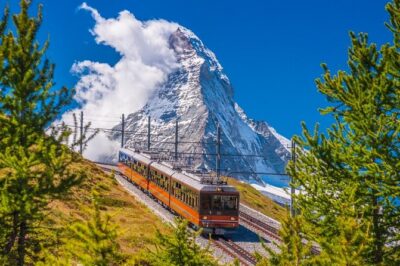
HALF DAY 3-Hour Private Ski Lessons in Zermatt, Switzerland
Read our review →Browse the lists this tour appears in