
Reviewed · LUCERNE TOURS
Lucerne: 1-Hour Historical Tour with Night Watchman
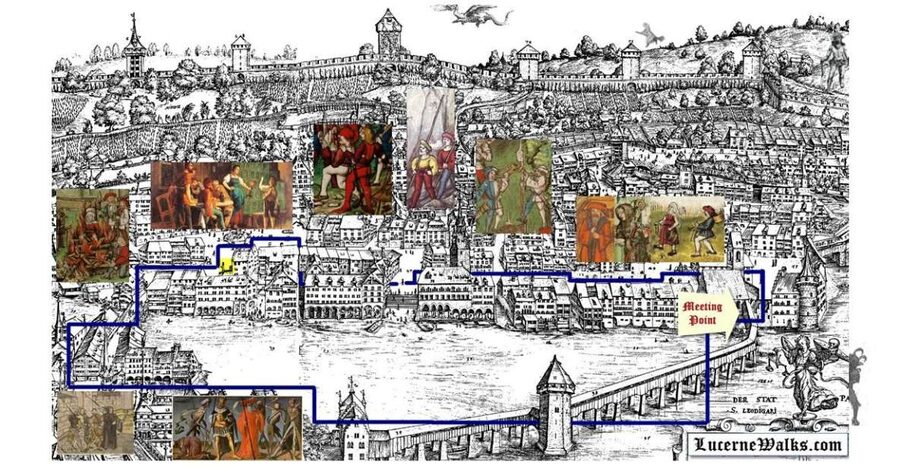
Lucerne’s old town looks lovely by day, but this tour gives its lanes a voice after dark. A night watchman leads you from Chapel Bridge through squares, guild houses, bridges, and old walls, using a fire horn, a historic map, and stories about the people who shaped medieval Lucerne. The result is part walking tour, part street theater, and part history lesson.
I like the way the route turns small details into clues, from the Luzerner Elle and Luzerner Fuß carved into the town hall wall to the spot where a pillory once stood. I also like the human scale of the stories, including Hans von Trient, Luzius Ritter, mercenaries, criminals, and the people who guarded the city at night. The main drawback is pace: you cover about 1.5 kilometers and hear a great deal in roughly an hour to an hour and a half, so anyone wanting a long, scholarly history walk may wish it lasted longer.
Key points about Lucerne’s night watchman walk
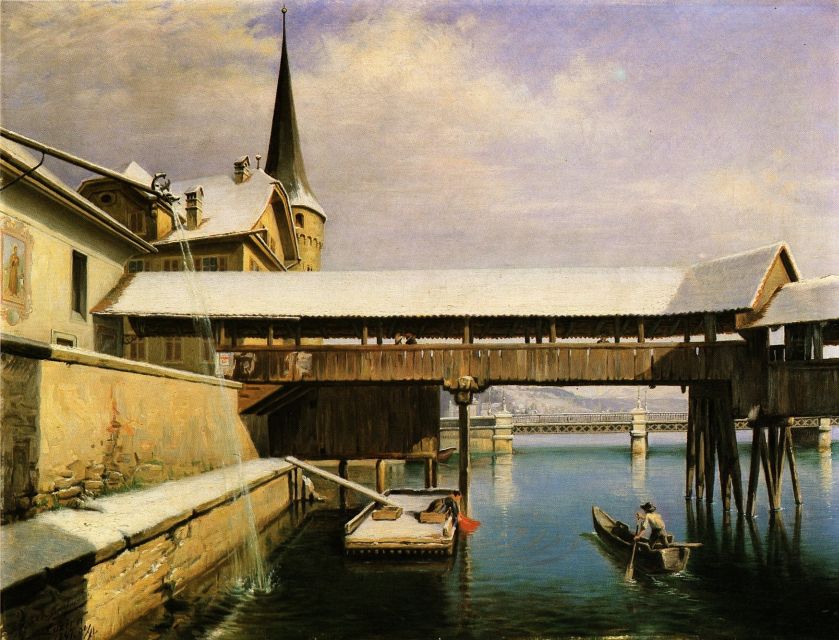
- A fire horn opens the tour: The sound leads into the night watchman’s call and sets the mood at once.
- The route covers about 1.5 kilometers: You walk from Chapel Bridge through the old town, across the Reuss, and back over the bridge.
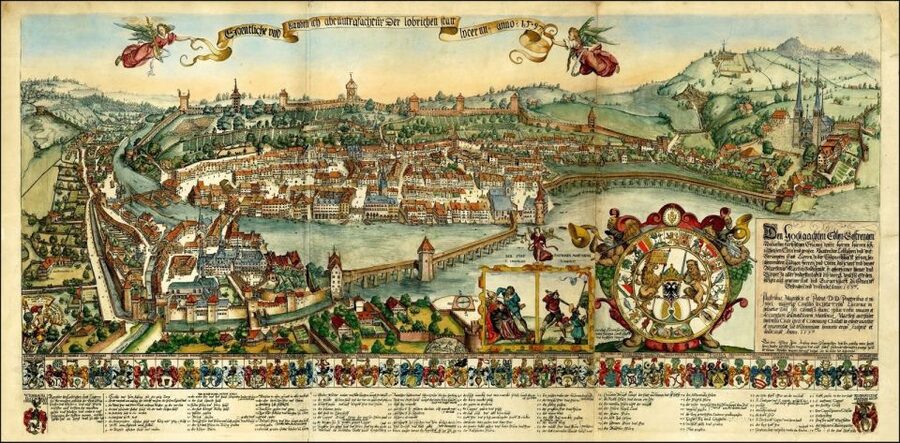
- Old and new visual aids help: A 1597 city map by Martin Martini gives you a clear picture of Lucerne before the walk begins.
- Stories range beyond architecture: Expect Swiss warfare, mercenaries, crime, court practice, fires, guilds, and local rivalries.
- Rolf or Ralph may lead your tour: Feedback names both guides, and the praised qualities are humor, clear explanations, and helpful assistance.
- Wheelchair access has limits: A foldable wheelchair can use the full route, but electric wheelchairs and electric scooters cannot use the Chapel Bridge stair lift.
Starting beside Chapel Bridge with a fire horn
The tour begins on the right bank of the Reuss, close to Chapel Bridge. That is a practical meeting point because you are already beside Lucerne’s best-known landmark, and the route quickly moves into the old town rather than spending much time on introductions.
The opening fire horn is more than a theatrical flourish. It signals the central problem of any medieval city built with timber, narrow lanes, and closely packed buildings: fire could spread fast, and someone had to watch for it. The night watchman’s call follows, giving you an immediate sense of the job you are about to hear about.
This opening works best if you enjoy history delivered through a character. You are not simply standing in a square while a guide lists dates. You hear about the duties of a watchman and then follow the route through places tied to law, trade, war, and old city life.
The guide uses old and new media during the tour. The most useful early aid is Martin Martini’s city map from 1597. Looking at the map before walking helps you understand the route and compare the old city with what you see around you. It also gives the tour a clear starting point for Lucerne’s streets and landmarks.
The exact meeting point can vary by the option you book, so check your confirmation rather than assuming every departure begins at precisely the same spot near Chapel Bridge.
A few more Lucerne day trips to weigh up
- Lucerne: Private Exclusive History Tour with a Local Expert
★ 4.5 · 4 reviews - Enchanting Luzern: A Journey Through History and Beauty
★ 4.7 · 4 reviews - Zürich Historic District Tour
★ 5.0 · 206 reviews
Kapellplatz, Furrengasse, and the town hall’s old measures
From Chapel Bridge, the route heads through Kapellplatz and along Furrengasse toward Kornmarkt. This is a pleasant way to enter Lucerne’s old town because the walk moves from a major postcard sight into narrower streets where small signs and wall details matter more.
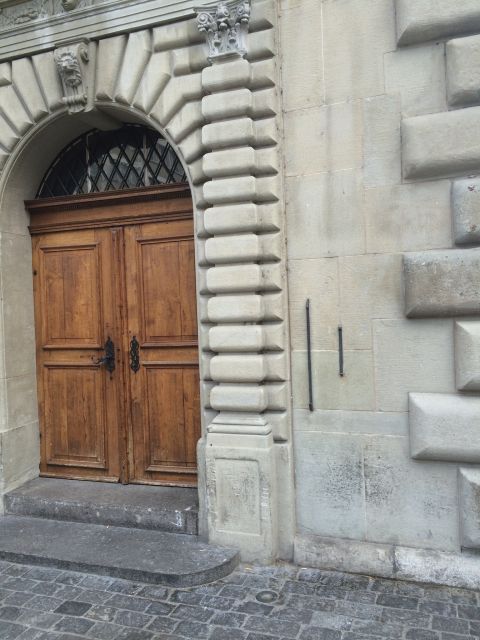
At the town hall, you see the Luzerner Elle and Luzerner Fuß set into the wall. These old units of measurement are easy to miss if you walk past on your own. They also give the tour a useful everyday angle. History is not only about rulers and battles. It is also about how people measured cloth, timber, goods, and building materials, and how a town tried to keep trade consistent.
The stop at Kornmarkt helps explain how public spaces worked. Market areas were places for commerce, but they were also places where authority was visible. The buildings and walls around you made a suitable stage for official measures, public rules, and stories meant to be remembered.
The night watchman also tells the story of the giant of Reiden. The supplied details do not give the full version of the tale, but its place in the route shows the tour’s mix of documented people, city customs, legends, and dramatic local stories. If you prefer a tour made only of hard facts, this blend may feel loose. If you like seeing how a city remembers itself, it adds character.
Brandgässli and the night of fire in 1833
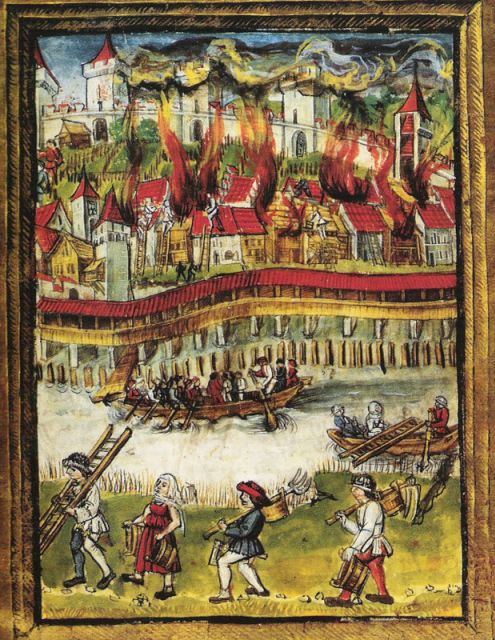
The walk continues along Brandgässli, a lane whose name recalls Lucerne’s night of fire in 1833. This is one of the tour’s useful reminders that the night watchman’s work was not just medieval pageantry. Fire remained a real urban threat long after the Middle Ages.
The stop links the opening fire horn to a later event in Lucerne’s past. You begin with the watchman’s warning, then encounter a street name that preserves the memory of an actual disaster. That makes the route feel connected rather than a string of unrelated stops.
You should expect plenty of storytelling in this section. The tour covers many subjects quickly, and the guide has to keep moving along the route. Several people who took the tour wanted it to last longer, even though they enjoyed the amount of information provided. I would treat that as a sign of a brisk, well-filled walk, not a slow stroll with long pauses.
Guild houses, murder stories, and public order
Near the guild house of the dressmakers, the night watchman explains the legend of the night of murder in Lucerne. This brings you into the world of guilds and local power, where professional groups were part of the city’s social and political structure.
The story is one of the tour’s darker turns. It is suitable for adults and older children, but children under 10 are not allowed on the activity. The subject matter, along with the evening setting and emphasis on crime and punishment, makes this a better match for families with older children than for very young ones.
The route then reaches the wine market, where the subject shifts to the Swiss art of war and the mercenaries. Switzerland is often associated today with neutrality and alpine scenery, so this section provides useful contrast. The guide brings attention to a different side of Swiss history, one tied to military service and the way Swiss soldiers worked abroad.
This is also where the tour shows its broad range. In a short time, you move from guild life to murder legends and then to military history. The variety keeps the walk from becoming a single-topic lecture, though it also means you will not receive a long treatment of every subject.
Same mountains, a completely different day out:
- From Zurich: Mount Titlis and Lucerne Day Tour
★ 4.7 · 3,381 reviews - Lucerne: Mt. Pilatus Cable Car, Cogwheel Train & Lake Cruise
★ 4.7 · 2,338 reviews - Lucerne: 1-Hour Cruise on Panoramic Yacht
★ 4.6 · 1,514 reviews - Mount Pilatus Summit from Lucerne With Lake Cruise
★ 4.5 · 1,260 reviews
The linden tree, pillory, and medieval justice
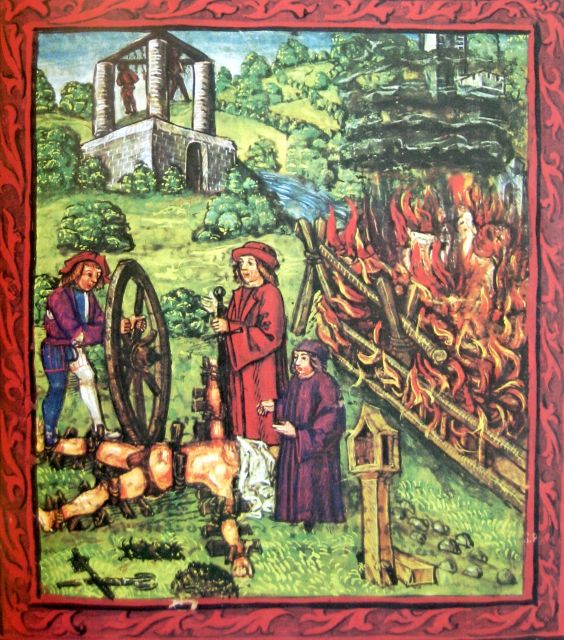
At the linden tree, the night watchman discusses the former pillory and the bench that once stood there. This stop focuses on court order, legal violations, and interrogation methods.
For me, this is the kind of detail that makes a historical walk worthwhile. A grand building can tell you who had money and power, but a pillory tells you how a town displayed punishment. The place becomes easier to read once you understand what happened there and why people gathered around it.
The tour does not present medieval justice as a quaint curiosity. It deals with the practical machinery of keeping order, including interrogation methods. You get a glimpse of how law worked before modern policing and legal safeguards.
The subject may be uncomfortable, and the guide’s humor is part of the experience. Rolf is praised for adding jokes to the history, while Ralph is also named as an engaging guide in the feedback. Names appear differently in the supplied information, so I would not rely on getting one particular guide. The useful point is that the guide’s style combines serious material with humor and welcomes questions.
A possible pause at Zöpfli beside the Reuss
If time allows, the route pauses at Zöpfli, one of the old town’s attractive spots beside the river. This is a valuable breather because the tour is information-heavy and the surrounding streets can feel tight and busy.
The stop also gives you a change of view. Until this point, much of the focus is on streets, walls, guild buildings, and public spaces. Beside the Reuss, you can take in the water and the old town from a more open position while the guide continues the story.
Because this stop depends on time, you should not treat it as a guaranteed long rest. The route covers a set distance and includes many subjects, so the guide may need to keep the group moving. Wear comfortable shoes, especially if you are planning to continue exploring Lucerne afterward.
Crossing the Reuss to the old pharmacy
The walk crosses the Reuss Bridge and passes the site of Lucerne’s first mint. That detail connects the tour to money and civic authority. A mint is not just a building from the past. It points to the city’s right to produce or control currency, a mark of local importance and administration.
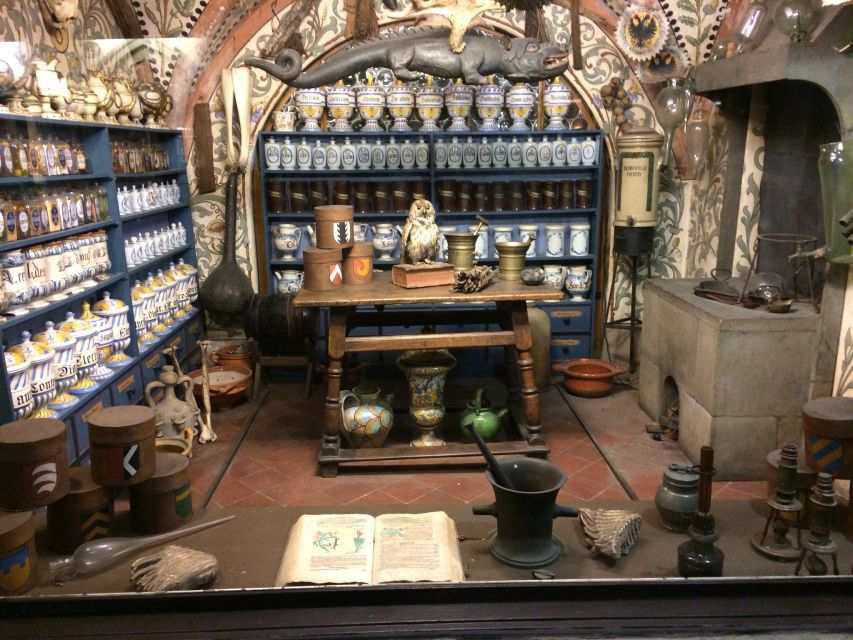
The route then reaches the display window of the medieval Alte Suidtersche Apotheke. This is another small but memorable stop. Rather than simply looking at a famous facade, you get a chance to see how an old pharmacy is presented and to connect the building with the history of medicine and trade.
The pharmacy display is especially useful for you if you enjoy objects and visual details. A guide can explain a scene that might otherwise seem decorative or easy to pass without notice. The tour’s use of visual aids follows the same idea: seeing an old map, measurement, or display makes the story easier to hold onto.
Ritter Palace and two opposing figures
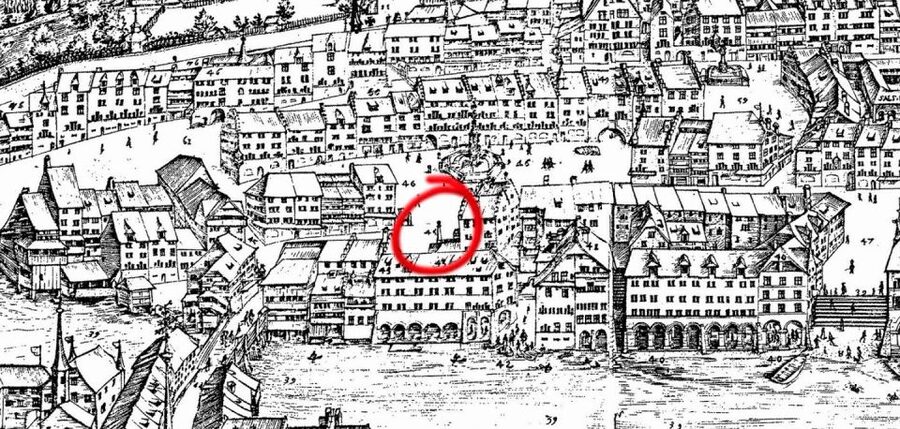
At Ritter Palace, the night watchman tells the story of Hans von Trient and his adversary, Luzius Ritter. The supplied route description uses both Luzius Ritter and Lux Ritter in different places, so names may vary in the telling or translation. The essential feature is the local rivalry, presented at the place connected with it.
This kind of story gives the tour a personal center. Instead of hearing only about anonymous medieval citizens, you follow a dispute between named figures. Rivalries help explain how status, craft, property, and city politics could collide.
The guide also introduces the stonemason Hans von Trient. That brings attention to the people who built Lucerne, not only those who governed it. A stonemason’s work can survive for centuries, while the individual behind it is easily forgotten. The story puts a person back into the architecture.
The dance of death and the return over Chapel Bridge
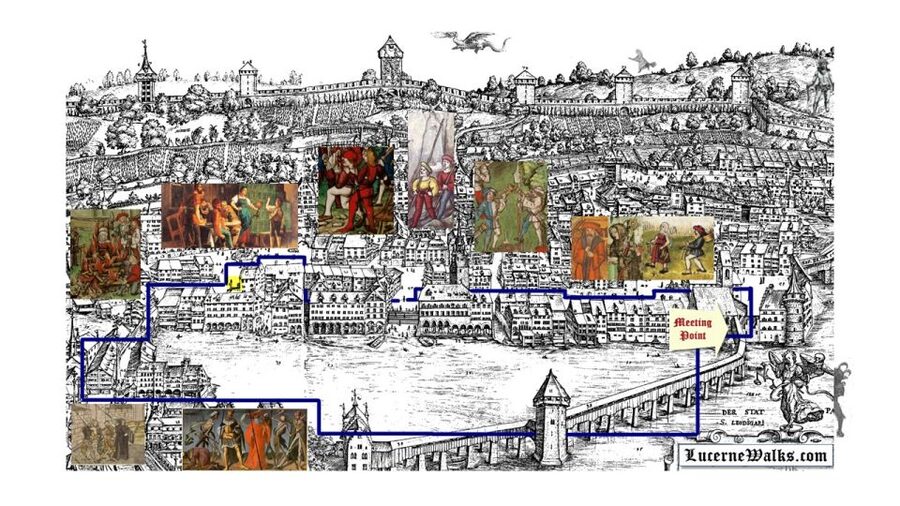
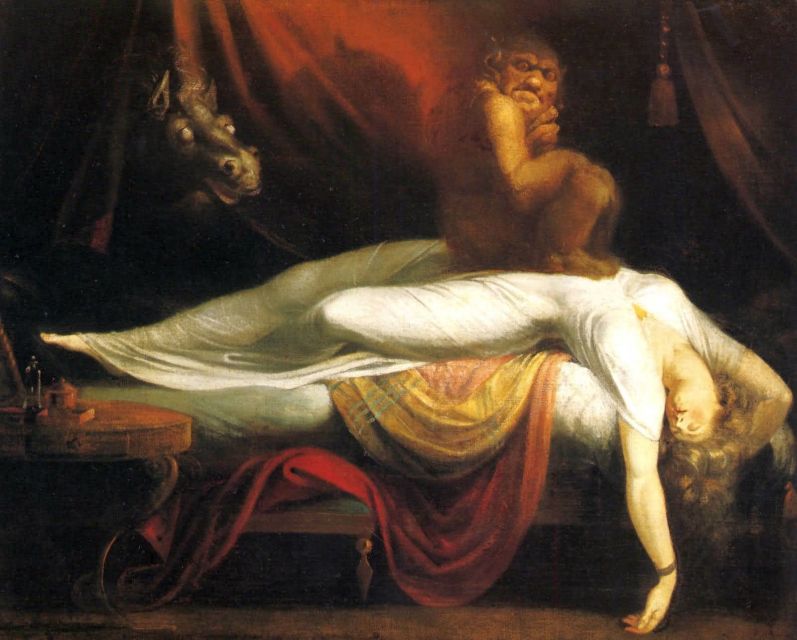
The final section includes the dance of death by Jakob von Wal. This subject gives the tour a strong visual and symbolic finish. A dance of death traditionally links people of different ranks through the certainty of death, and its presence fits a tour that has already covered war, punishment, fire, and public order.
You then stroll along the river and cross Chapel Bridge back to the starting point. Ending on the bridge brings the route full circle. You began beside it with a fire horn and the night watchman’s call, and you finish with the bridge and river as a backdrop to the stories you have just heard.
The walk back is not simply a return transfer. It gives you one final look at a landmark that can seem familiar after a daytime visit. After hearing about fires, guards, craftsmen, law, and city life, the bridge feels less like a picture and more like part of a working town.
What $39 buys you in Lucerne
At $39 per person, this is not the cheapest way to walk around Lucerne, since the old town itself is easy to explore without a ticket. The value comes from the interpretation. You get a guide, a planned route, historical visual aids, and access to stories you would probably miss by wandering alone.
The tour is especially good value if you have only one evening in Lucerne and want a clear introduction to the old town. It covers major sights and lesser details without requiring a half-day commitment. Feedback praises the guide’s humor, help with questions, and ability to fit a lot of information into just over an hour.
The tradeoff is depth. Several people wished the tour lasted longer, which makes sense given the number of subjects. You will hear about Lucerne’s art of war, mercenaries, fires, guilds, measurements, punishment, local figures, and visual art, but you should not expect a full lecture on each one.
Private and small-group options are available. Those formats may suit you if you want more opportunity to ask questions or need a guide who can give extra assistance. One guide went out of his way to help a family member with a mobility problem, which is a useful sign for anyone who needs practical support.
Weather, walking, and access details
The tour runs in all weather. Bring an umbrella or waterproof jacket, especially because the route is outdoors and the evening can feel cooler beside the Reuss.
You walk approximately 1.5 kilometers. Comfortable footwear matters more than dressy shoes, since the route includes old-town streets and bridges rather than a single paved plaza.
The full route is accessible with a foldable wheelchair. It is not accessible with an electric wheelchair or electric scooter because the stair lift on Chapel Bridge cannot accommodate those devices. If mobility is a concern, contact the provider before booking and confirm the meeting point and route for your chosen option.
The tour is offered in English. It lasts 1.5 hours according to the activity details, although the main guided portion is described as about one hour and feedback refers to just over an hour. Check the starting time and exact meeting point for your date.
You can cancel up to 24 hours in advance for a full refund, and the reserve-now, pay-later option lets you hold a place without paying at once. Those terms are helpful if your Swiss itinerary depends on weather or changing mountain plans.
Who should book this tour?
I would choose this walk if you like buildings but want the people and problems behind them. It suits first-time visitors who want orientation, history fans who enjoy local stories, and anyone who prefers a guide with a bit of humor rather than a formal lecture.
It is also a good evening choice after a day of mountain transport or museum visits. The route is short enough to fit into a full Lucerne schedule, yet it gives you a different way to see Chapel Bridge, the Reuss, Kornmarkt, the wine market, and the old town lanes.
You may want another option if you need a slow pace, dislike stories about crime and punishment, or want detailed academic coverage of medieval Switzerland. The tour moves briskly and covers a wide range of material.
Book it for the guide’s storytelling, visual aids, and small city details, not for transportation or entry to a major attraction. You pay for context. If that is what you want, $39 is a fair price for a focused introduction to Lucerne after dark.
FAQ
How long does the Lucerne night watchman tour last?
The activity duration is 1.5 hours. The main tour description calls it a 1-hour historical tour, and the route covers approximately 1.5 kilometers.
How much does the tour cost?
The listed price is $39 per person.
Where does the tour begin?
It begins on the right bank of the Reuss by Chapel Bridge, though the meeting point may vary depending on the option booked.
What language is the tour offered in?
The live guided tour is offered in English.
Is the tour private or shared?
Private and small-group options are available.
Is transportation included?
No. Transfers are not included, so you must make your own way to and from the meeting point.
What sights are included on the route?
The route includes Chapel Bridge, Kapellplatz, Furrengasse, Kornmarkt, the town hall, Brandgässli, the dressmakers’ guild house, the wine market, Zöpfli if time allows, Reuss Bridge, the first mint, Alte Suidtersche Apotheke, Ritter Palace, and the dance of death by Jakob von Wal.
Is the tour suitable for children?
Children under 10 are not permitted on the tour.
Is the route wheelchair accessible?
The full route is accessible with a foldable wheelchair. It is not accessible with an electric wheelchair or electric scooter because the stair lift on Chapel Bridge is not suitable for those devices.
What should I bring and wear?
Wear comfortable footwear and bring an umbrella or waterproof jacket. The tour takes place outdoors in all weather.
Can I cancel the booking?
You can cancel up to 24 hours in advance for a full refund. A reserve-now, pay-later option is also available.
More 1-Hour Experiences in Lucerne
- Lake Lucerne 1-Hour Catamaran Cruise
★ 3.5 · 98 reviews - Lucerne: Express Walk with a Local in 60 minutes
★ 4.6 · 21 reviews - Explore Lucerne in 60 minutes with a Local
★ 5.0 · 13 reviews - Explore Basel in 60 minutes with a Local
★ 4.5 · 29 reviews
Just added around Lucerne
- Luzern Elegance: Private City Walk and Panoramic Lake Cruise★ 5.0 · 3 reviews
- Cheese, Chocolate and Wine in the Bern Region from Luzern★ 5.0 · 3 reviews
- Best of the Uri Alps: A fjord-like lake, glorious peaks and sustainable tourism★ 5.0 · 3 reviews
- Lucerne Lakeside and Villas Private Walking Tour★ 5.0 · 3 reviews
- Lucerne: Legends of Lake Lucerne – Steamboat Experience★ 5.0 · 3 reviews
- Lucerne: Glacier Express’s Swiss Alps & Lucerne Private Tour★ 5.0 · 3 reviews
- From Lucerne: Canyoning Adventure in Interlaken★ 4.5 · 3 reviews
- Lucerne: Private Walking Tour and Chocolate Tasting★ 5.0 · 3 reviews
Lucerne Tours, compared.

From Zurich: Mount Titlis and Lucerne Day Tour
Read our review →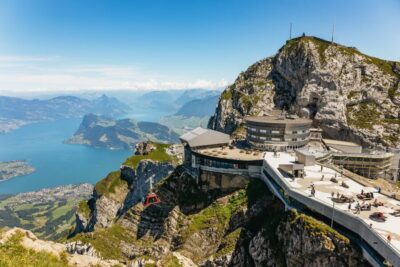
Lucerne: Mt. Pilatus Cable Car, Cogwheel Train & Lake Cruise
Read our review →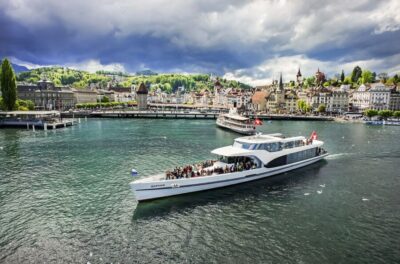
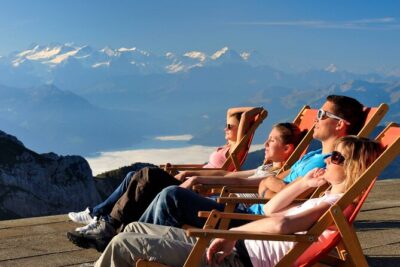
Mount Pilatus Summit from Lucerne With Lake Cruise
Read our review →
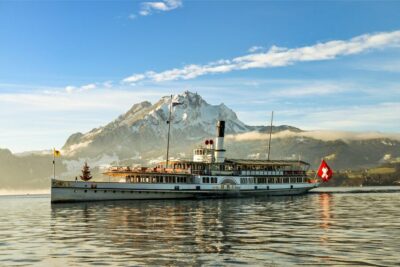
From Lucerne: Mt. Pilatus Gondola, Cable Car, and Boat Trip
Read our review →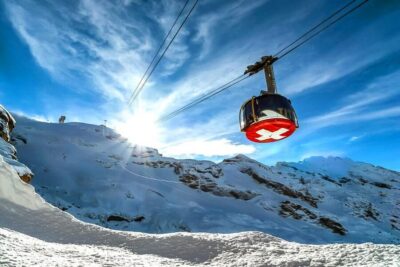
From Lucerne: Mount Titlis Half-Day Tour with Ice Flyer
Read our review →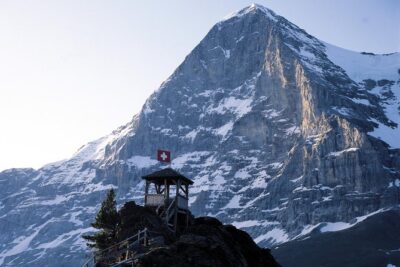
Jungfraujoch Top of Europe Day Trip from Lucerne
Read our review →Browse the lists this tour appears in