
Reviewed · ZURICH TOURS
Explore Zurich in 60 minutes with a Local
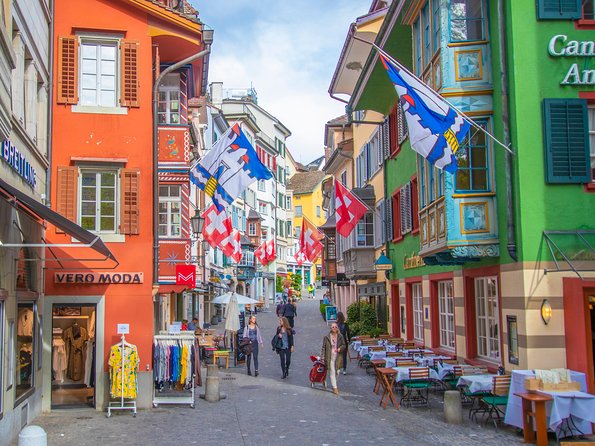
Zurich’s old town is compact, handsome, and packed with stories. In one brisk hour, this walk takes you from the city hall along the Limmat to Grossmünster, Fraumünster, St. Peter’s, Lindenhof, and Predigerkirche. It is a fast way to get your bearings and see the city’s main historic sights.
I like the tiny group limit of six, which gives the local a real chance to talk with you. I also like the practical angle: your guide can point you toward cafes, restaurants, and bars, not just recite dates. Guides Peter and Sandro are named in the feedback, though your guide may be someone else.
The catch is the clock. One hour goes quickly, so this is a highlights walk rather than a full lesson in Zurich’s past. One mixed experience found the history too thin and the restaurant advice too prominent, so book this for orientation and local pointers, not a detailed museum-style tour.
Key points at a glance
- A fast old-town route: Cover Rathaus, Grossmünster, Fraumünster, St. Peter’s, Lindenhof, and Predigerkirche in about 60 minutes.
- A maximum of six people: The small group should make it easier to ask questions and keep up with the local.
- Local life is part of the plan: Expect tips about cafes, restaurants, bars, and the everyday feel of Zurich.
- History comes in short portions: You will hear about political Zurich, Dadaism, Roman remains, churches, and the city’s modern changes.
- A useful first-day activity: The walk finishes at Predigerkirche, leaving you in a good area to continue exploring alone.
- A costly choice for one hour: At $86.16 per person, the value depends heavily on the guide and how much you want personal advice.
What this one-hour Zurich walk is really for
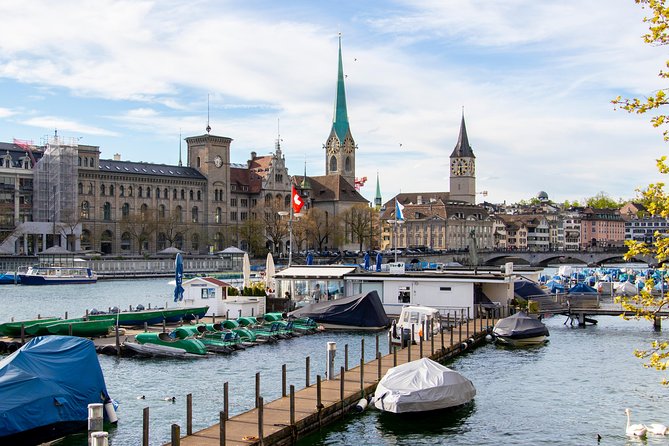
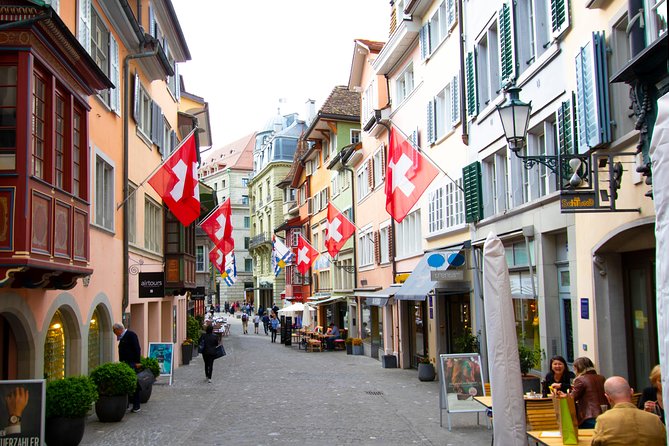
Think of this as an introduction, not a full city tour. You meet near Zurich’s city hall on Limmatquai and spend the next hour moving through the old town’s main sights. The route links political buildings, churches, bridges, viewpoints, and a few unusual cultural stops.
That makes the experience useful on your first day. You can see where the major landmarks sit in relation to one another, then return later to the places that catch your eye. You also get a chance to ask a local what fits your interests, from a quick coffee to an evening drink.
The tour is offered by a private local through LocalBini. The group limit is six, which is a real advantage on narrow old-town streets. You are less likely to be lost in a crowd, and a small group gives the guide room to adjust the conversation.
The format is also its main weakness. Sixty minutes is enough for a brisk circuit, but not enough for long visits inside several churches or a detailed account of every period in Zurich’s past. You should expect short explanations at each stop, with the walking itself doing much of the work.
A few more Zurich day trips to weigh up
- Private Tour of Zurich in 60 minutes with a Local
★ 4.5 · 14 reviews - Zurich: Express Walk with a Local in 60 minutes
★ 4.5 · 6 reviews - 1 Hour Express Walk of St. Gallen with a Local
★ 5.0 · 4 reviews
Starting at Rathaus and the Limmatquai
The meeting point is Limmatquai 55, 8001 Zürich, by the city hall. Rathaus is a smart place to begin because it introduces Zurich as both an old European city and a working political center.
The building is associated with Zurich’s political life and is described here through its Renaissance character. Your guide can use it to explain how public power, trade, and city life developed around the Limmat. You will not be spending a long time inside, so pay attention to the exterior and listen for the short details that give the building meaning.
Starting by the river also helps you understand the shape of the old town. Zurich’s historic center is not a single block of sights. It is a series of streets, bridges, churches, and riverfront spaces on both sides of the Limmat.
This first stop is especially useful if you have just arrived and have not yet worked out the city center. The walk gives you a mental map quickly, though the pace may feel rushed if you stop often for photographs.
Grossmünster and the birth of Dadaism
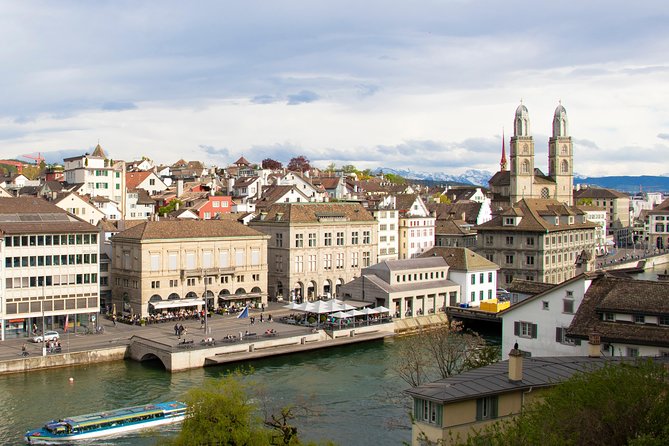
Grossmünster is the visual centerpiece of the route. Its twin towers help define Zurich’s skyline, and the church’s Romanesque design gives the old town a strong medieval feel.
You should expect to see the church from outside as part of the walking circuit. The available details do not promise an interior visit or tower access, so do not book this expecting time to climb or explore at length. The value here is the guide’s explanation and the chance to place this landmark within Zurich’s religious and civic story.
The route also touches the birthplace of Dadaism, Zurich’s avant-garde art movement. This is one of the more unusual parts of the walk. It shows that Zurich is not only about old churches, guild buildings, and polished river views. The city also played a role in radical modern art.
That contrast gives the tour some welcome variety. You move from Romanesque architecture to artistic rebellion, then back to the city’s traditional landmarks. If your guide handles the transition well, this can be one of the hour’s most memorable ideas.
Still, the stop is brief. You may get the essential connection without a long discussion of the artists or the movement. If Dadaism is a major reason for your interest in Zurich, you will need a separate visit or a longer specialist tour.
Münsterbrücke and Fraumünster’s Chagall windows
Münsterbrücke provides one of the route’s best places to understand Zurich from the river. The bridge has old roots and links the historic churches on either side of the Limmat. It is also a natural spot for views, photographs, and a quick look back at the route you have covered.
The bridge itself is part of the story, not just a way to get from one church to another. Zurich’s old center developed around the river, and the crossings help explain how the two sides work together. In a short tour, these connecting spaces can be as helpful as the formal monuments.
Fraumünster brings a different mood. The church is known for its colorful Chagall windows, which add a modern artistic note to an old religious building. These windows are among the most distinctive details on the route, but the one-hour format means your time may be limited.
If you want to study the windows quietly, plan to return after the walk. The tour can show you where Fraumünster is and explain why it matters, but it cannot give every landmark the time it deserves. This is a recurring tradeoff: the route gives you range, while you supply the extra time later.
Same mountains, a completely different day out:
- Lindt Home of Chocolate Museum Entry Ticket
★ 4.7 · 9,329 reviews - Zurich: Day Trip to Grindelwald, Interlaken & Lauterbrunnen
★ 4.5 · 4,699 reviews - Zurich: City Tour, Cruise, and Lindt Home of Chocolate Visit
★ 4.5 · 4,624 reviews - From Zurich: Bus Day Trip to Heidiland and Liechtenstein
★ 4.5 · 2,531 reviews
St. Peter’s and Europe’s largest church clock
St. Peter’s Church offers a detail that is easy to remember: it has Europe’s largest church clock. That fact gives the stop a clear hook, especially for children or anyone who likes one strong piece of information attached to a building.
The church also helps round out the religious story of the old town. In a short walk, you see several major churches, but they are not all presented as interchangeable monuments. Each brings a different feature, from Grossmünster’s twin towers to Fraumünster’s windows and St. Peter’s huge clock face.
You may find the explanation here more useful than a long architectural lecture. A local can point out how the church fits into the surrounding streets and daily city life. The tour’s stated focus includes contemporary change and local habits, so listen for connections between the historic center and the Zurich people use today.
Again, the route does not promise a long interior visit. Treat St. Peter’s as a stop for context and a memorable visual detail. If you want to enter every church, one hour will not be enough.
Lindenhof, Roman remains, and the best pause in the route
Lindenhof is the high point of the walk in more ways than one. The site has remains connected with a Roman castle and a Carolingian Kaiserpfalz, or imperial palace. Those layers give the stop a longer view of Zurich’s past than a single building can provide.
It is also a useful place to pause and look across the city. The supplied details highlight views from historic bridges and old-town spaces, and Lindenhof fits naturally into that visual part of the experience. Your guide can help you read the streets, river, and church towers rather than simply taking a quick picture and moving on.
This is where the tour’s history can either come alive or feel too compressed. A strong local guide might connect Roman Zurich, medieval power, and the modern city in a few clear strokes. A less effective explanation could leave you with several names and dates but little sense of why the site matters.
The small group works in your favor here. With only up to six people, you can ask for clarification or request a moment to take in the view. The schedule may not allow a long break, but Lindenhof is one of the stops worth revisiting afterward.
Bridges, views, and Zurich’s Gothic churches
The route includes a historic bridge known for city views and a symmetrical design. The exact bridge is not identified in the supplied information, so you should think of this as another scenic crossing rather than a guaranteed named monument. It adds a visual pause between the churches and the old streets.
You will also encounter Zurich’s iconic Gothic church with an intriguing history. The description does not name this stop directly, so your guide’s explanation will matter. This is a good example of why the person leading the walk shapes the experience more than the printed route does.
The walk covers a lot of ground for its length. One three-star assessment found that the tour succeeded at showing many sights quickly but gave less historical context than expected. That is a fair warning. You may finish with a clear list of places to revisit, but only a basic understanding of how they connect.
I would use this part of the walk to ask direct questions. Ask which church deserves a return visit, where to go for a quiet coffee, or which area is best for dinner. The more specific you are, the more useful the local advice is likely to be.
Finishing at Predigerkirche
The tour ends at Predigerkirche, at Zähringerplatz 6 in the old town. You are not returned to the starting point, so note that this is a point-to-point walk. The ending is practical because you can continue exploring the city on your own from there.
Predigerkirche also gives the route a final Gothic church stop. By the end, you will have seen a broad sample of Zurich’s religious architecture, from Romanesque Grossmünster to Fraumünster and St. Peter’s, then the Gothic character associated with the final church.
The finish works best if you plan to keep going. You could use the guide’s cafe, restaurant, or bar suggestions immediately, or retrace part of the route while the landmarks are still fresh. The tour does not include a long closing session, so save your last questions for the final few minutes.
Because the walk ends at a different place from where it begins, check the map before setting off for your next activity. Both locations are in Zurich’s central old town, and the experience is near public transportation.
What the guide can add, and where the quality may vary
The most positive feedback centers on the guide’s personality, clear explanations, and humorous historical stories. Peter is specifically thanked for making the walk enjoyable and sharing interesting facts. Another strong response describes the guide as outstanding and says the group learned a great deal.
Those comments point to the best version of this experience: a friendly local who keeps the pace moving, answers questions, and turns the route into a conversation about Zurich. The guide’s insider suggestions may be just as useful as the monuments, especially if you have more time in the city after the walk.
But the guide matters a lot here. One very negative experience involved Sandro and described the walk as a poor use of time. The provider responded that Sandro had asked about prior sightseeing to tailor the route, but the unhappy customer felt the result did not match their interests.
The practical lesson is simple: tell your guide at the start what you want. If you care most about history, say so. If you want food and nightlife advice, ask for that. If you have already seen Grossmünster or Fraumünster, mention it clearly and ask for more context elsewhere.
The overall score is 4 out of 5 from six ratings. That is encouraging, but it is also a small sample. I would book with realistic expectations and understand that the guide’s style will shape the hour.
Is $86.16 a fair price for 60 minutes?
At $86.16 per person, this is not a cheap sightseeing walk. The price can make sense if you are traveling in a group of up to six and value private attention, fast orientation, and personal recommendations.
The value is weaker if you mainly want basic facts about Zurich’s landmarks. You will see many important places, but the tour is only about an hour and does not promise admission, extended church visits, or a long historical lecture. For that purpose, a longer group tour or self-guided route may offer more information for less money.
I would judge the price by your schedule. If you have only a short stay and want a local to organize the old town for you, the concentrated route may be worthwhile. If you have several days, you may prefer to explore at your own pace and spend the money on a longer, more focused activity.
Group discounts are available, and the ticket is mobile, which makes joining simple. Confirmation arrives when you book. The activity is non-refundable and cannot be changed for any reason, so only reserve once your plans are firm.
Who should book this walk?
This experience suits a first-time visitor who wants an immediate sense of Zurich’s center. It also works for someone who likes walking, wants a compact route, and prefers personal suggestions over a formal lecture.
It may suit you especially well if:
- You have only one free hour.
- You want to see the main old-town landmarks quickly.
- You enjoy small groups.
- You want cafe, restaurant, and bar advice.
- You like mixing medieval sights with modern culture, including Dadaism.
- You plan to continue sightseeing after the tour ends.
I would be more cautious if your main goal is detailed history. The tour can introduce Roman remains, political Zurich, church architecture, and artistic movements, but the schedule leaves little time for sustained explanation.
Most people can participate, and service animals are allowed. The activity is near public transportation. No special physical requirements are stated, but it is a walking tour through the old town, so comfortable shoes are a sensible choice.
Should you book Explore Zurich in 60 Minutes with a Local?
Book it if you want a quick, personal orientation to Zurich and will make good use of local advice afterward. The route covers an impressive list of sights, and a good guide can make the hour feel lively, useful, and surprisingly full.
Skip it if you want a slow architectural tour, detailed historical context, or enough time inside each church. At $86.16, the experience needs to deliver more than a checklist of landmarks. Ask for the kind of tour you want at the start, and treat the walk as a smart introduction to Zurich rather than the final word on the city.
FAQ
How long does the Zurich local tour last?
The experience lasts approximately one hour.
Where does the tour start?
It starts at Limmatquai 55, 8001 Zürich, Switzerland, near Zurich’s city hall.
Where does the tour finish?
The walk finishes at Predigerkirche, Zähringerplatz 6, 8001 Zürich, Switzerland. You can continue exploring Zurich from there.
What sights are included?
The route includes Rathaus, the birthplace of Dadaism, Grossmünster, Münsterbrücke, Fraumünster, St. Peter’s Church, Lindenhof, a historic bridge with city views, and a Gothic church.
How many people can join?
The activity has a maximum of six participants.
Is the tour suitable for most people?
Most people can participate. The tour is near public transportation, and service animals are allowed.
Can I cancel or change my booking?
No. The experience is non-refundable and cannot be changed for any reason.
Just added around Zurich
- 2 Hour Floating Harmony Couples Course★ 5.0 · 3 reviews
- From Zurich: 7-Day Tour to Geneva with Tickets and Lodging★ 5.0 · 3 reviews
- Lake Zurich boat tour for an afternoon !★ 5.0 · 3 reviews
- Lake Zurich mini boat tour / by night!★ 5.0 · 3 reviews
- Zurich: Private tour to Interlaken, Grindelwald & Jungfrau★ 5.0 · 3 reviews
- Zurich Premium Fitness Pass★ 3.0 · 3 reviews
- Central Switzerland (Private Tour)★ 5.0 · 3 reviews
- Wakeboarding Lake Zurich – afternoon !★ 5.0 · 3 reviews
Zurich Tours, compared.
Zurich: Day Trip to Grindelwald, Interlaken & Lauterbrunnen
Read our review →
Zurich: City Tour, Cruise, and Lindt Home of Chocolate Visit
Read our review →
From Zurich: Bus Day Trip to Heidiland and Liechtenstein
Read our review →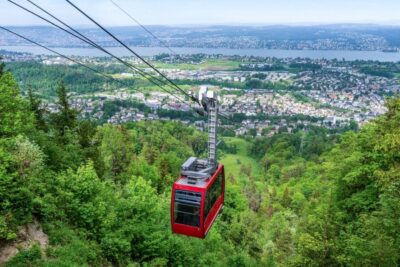
Zurich: City Highlights Tour by Bus, Cable Car, and Ferry
Read our review →
Mount Titlis and Lucerne Day Trip from Zurich
Read our review →
Heidiland and Liechtenstein Tour from Zurich
Read our review →Browse the lists this tour appears in